
Physiotherapy vs Athletic Therapy: What's Best For You?
If you’re dealing with pain, recovering from an injury, or trying to improve your movement, you might wonder whether you should see a physiotherapist or an athletic therapist.
Both professionals are highly trained in treating musculoskeletal injuries and helping people move better. However, their focus and areas of expertise can differ slightly. Understanding these differences can help you choose the right professional and get back to feeling your best faster.
At Recharge Physiotherapy + Performance, both physiotherapists and athletic therapists play an important role in helping patients recover, move well, and return to the activities they enjoy.
What Does a Physiotherapist Do?
A physiotherapist is a healthcare professional trained to assess, diagnose, and treat a wide range of physical conditions affecting movement and function.
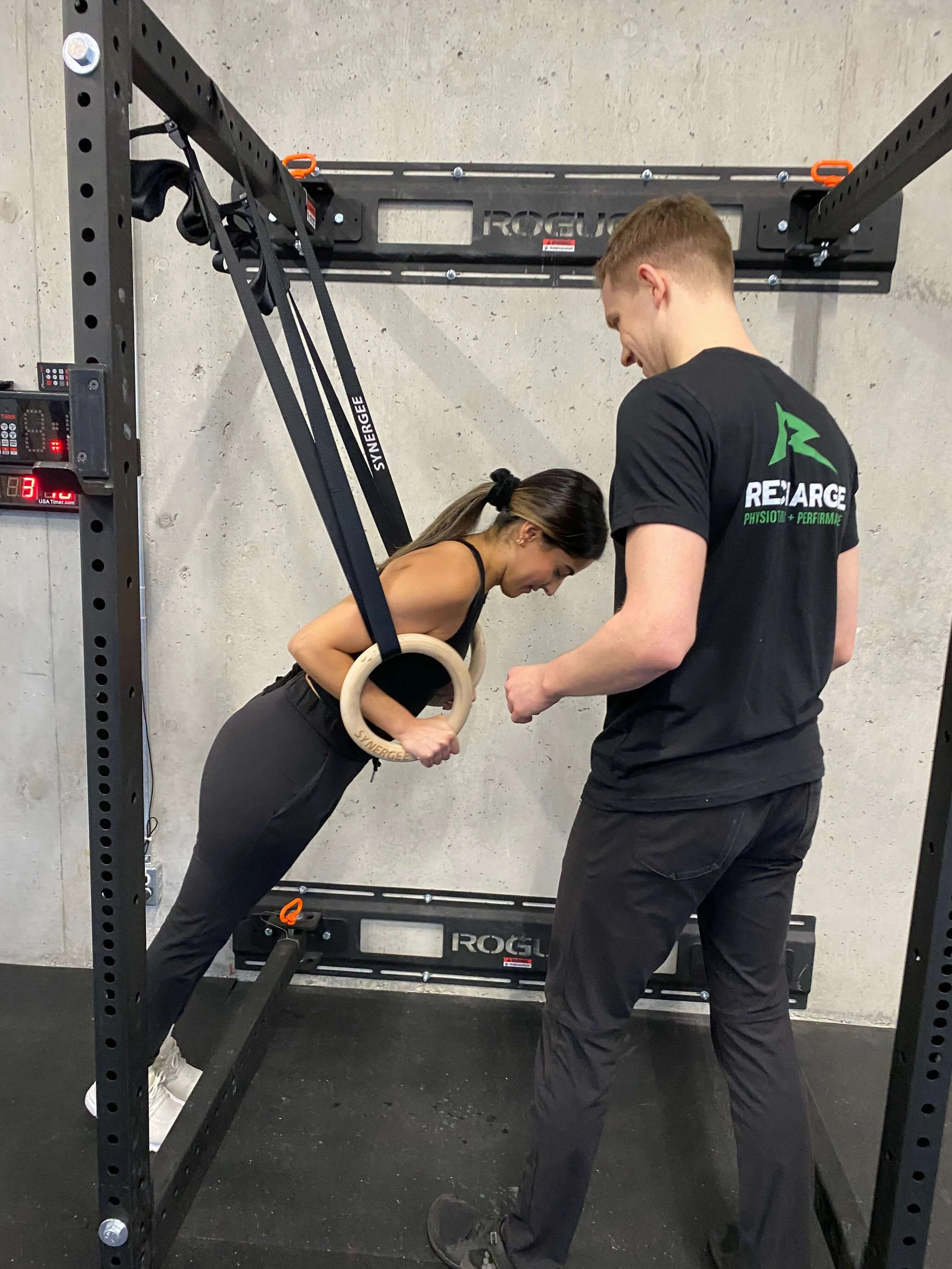
Physiotherapists commonly help people with:
Back and neck pain
Joint pain (shoulder, knee, hip, ankle)
Post-surgical rehabilitation
Arthritis and degenerative conditions
Sports injuries
Balance or mobility issues
Neurological/cardiovascular conditions
Treatment may include:
Exercise rehabilitation
Manual therapy (hands-on treatment)
Mobility and strength training
Education on positioning and training
Injury management strategies
Physiotherapists often treat a broad range of people, from athletes to individuals recovering from surgery, or managing chronic pain.
What Does an Athletic Therapist Do?
An athletic therapist(AT) specializes in musculoskeletal injuries related to sport, exercise, and physical activity.
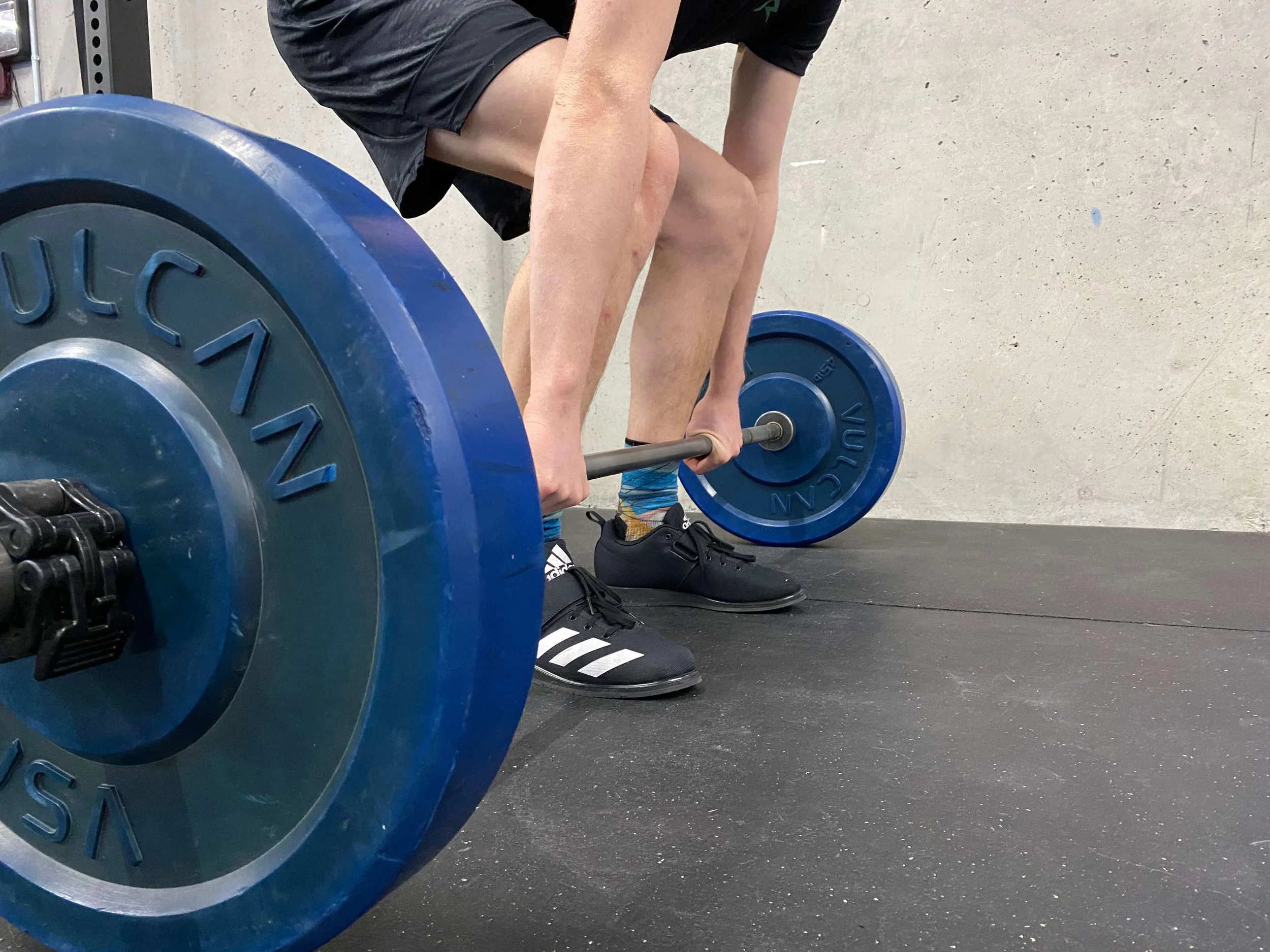
Athletic Therapists commonly help people with:
Sports injuries
Muscle strains and ligament sprains
Return-to-activity rehabilitation
Movement analysis and biomechanics
Injury management strategies
Treatment may include:
Exercise rehabilitation
Manual therapy (hands-on treatment)
Mobility and strength training
Education on positioning and training
Injury management strategies
Athletic Therapists typically focus on people who are or want to remain active
When Should You See a Physiotherapist?
You may benefit from seeing a physiotherapist if you:
✔ Have persistent or chronic pain
✔ Are recovering from surgery
✔ Need help with mobility, balance, or daily activities
✔ Have a complex injury or condition
✔ Are dealing with arthritis or degenerative joint issues
Physiotherapists are often the best option for comprehensive rehabilitation and medical-based conditions affecting movement.
When Should You See an Athletic Therapist?
An athletic therapist may be the right choice if you:
✔ Have a muscle or joint injury (such as a sprained ankle or strained a muscle)
✔ Want to improve movement mechanics for daily life or sport
✔ Need help returning to running, lifting, or daily activities
✔ Want guidance on injury management
✔ Want guidance on sport performance
Athletic therapists often focus heavily on functional movement, strength training, and sport-specific rehabilitation.

Can Both Professionals Treat the Same Injuries?
Yes—there is a significant overlap between physiotherapists and athletic therapists.
Both professionals commonly treat:
Sprains and strains
Tendon injuries
Knee pain
Shoulder injuries
Back pain
Overuse injuries
In many clinics, physiotherapists and athletic therapists work together as part of the same rehabilitation team to provide the best care for patients.
The main difference is usually clinical focus:
Athletic therapists: sports injuries, movement mechanics, and return to activity for all
Physiotherapists: broader rehabilitation and medical conditions
That said, experience and training often have more influence than professional designation on who is the best fit for you!
Choosing the Right Provider
If you’re unsure whether to see a physiotherapist or athletic therapist, the most important step is seeking professional care early - that person will guide you appropriately.
Early treatment often leads to faster recovery, reduced risk of re-injury, and better long-term outcomes.
At Recharge Physiotherapy + Performance, our team can help assess your injury, identify the root cause of your pain, and guide you through a personalized treatment plan designed to help you move and perform better.
Contact us today to schedule an assessment and take the first step toward moving and feeling better.
Frequently Asked Questions
Is an athletic therapist only for athletes?
No. While athletic therapists often work with athletes, they also treat anyone with musculoskeletal injuries, including recreational exercisers, runners, and people who want to move better during daily activities.
Can physiotherapists treat sports injuries?
Yes. Physiotherapists frequently treat sports injuries such as muscle strains, ligament sprains, and tendon injuries. Many physiotherapists also have specialized training in sports rehabilitation.
Who should I see for gym or lifting technique?
Both athletic therapists and physiotherapists often focus heavily on movement mechanics and exercise technique, which can make them a great option if you want to improve lifting form or prevent injuries during training.
Still Not Sure? We’re Here to Help
Give us a call at 250-885-8405 or schedule an appointment and we’ll help you find the right direction for your recovery!