
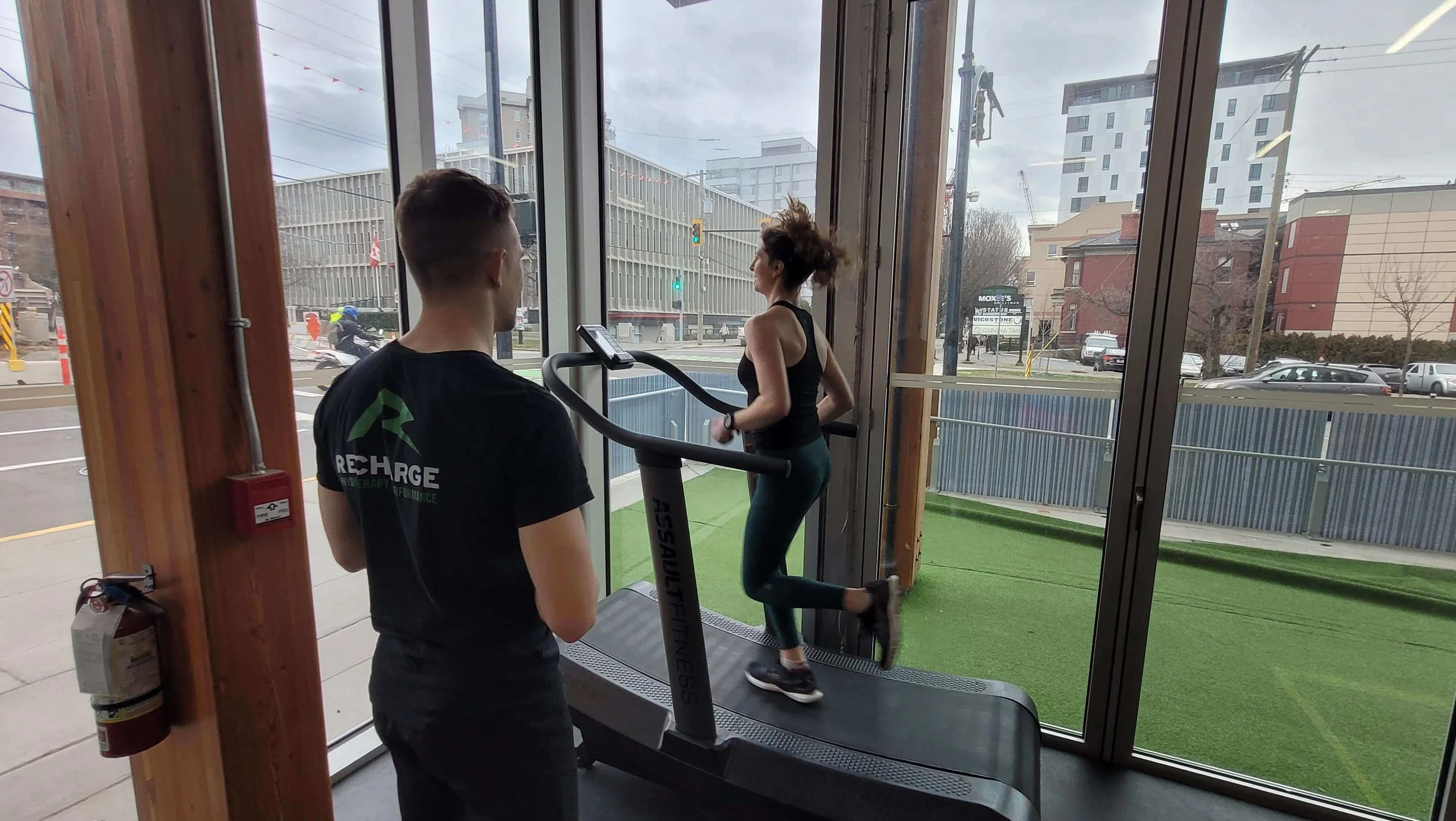
Best Tips for Preventing Running Injuries and Staying Fit
Running is a great way to stay active, but doing too much too soon can lead to injury. Learn practical tips for preventing running injuries, including gradual training, strength work, recovery, cross-training, and running form.

Getting Active in Victoria: Finding Movement That Works for You
Getting active doesn't have to mean joining a gym or following an intense workout routine. Explore local ways to move in Greater Victoria, from hiking and cycling to pickleball, swimming, kayaking, climbing, and community fitness programs.
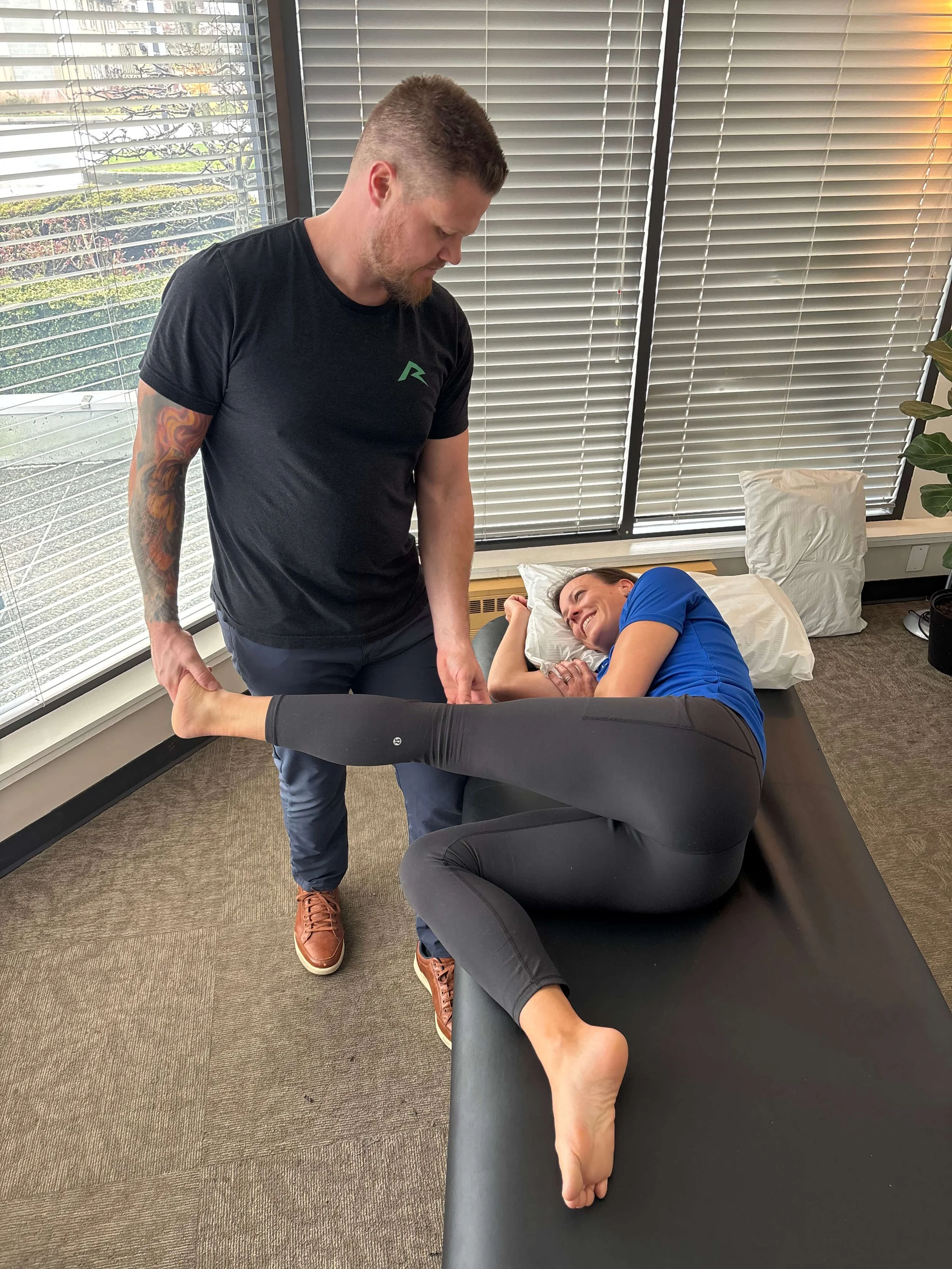
Lower Back Pain: When Should You See a Physiotherapist?
Lower back pain can make work, exercise, and everyday activities difficult. Learn when you should see a physiotherapist, what may be causing your pain, and how physiotherapy can help you recover and get back to doing what you enjoy.
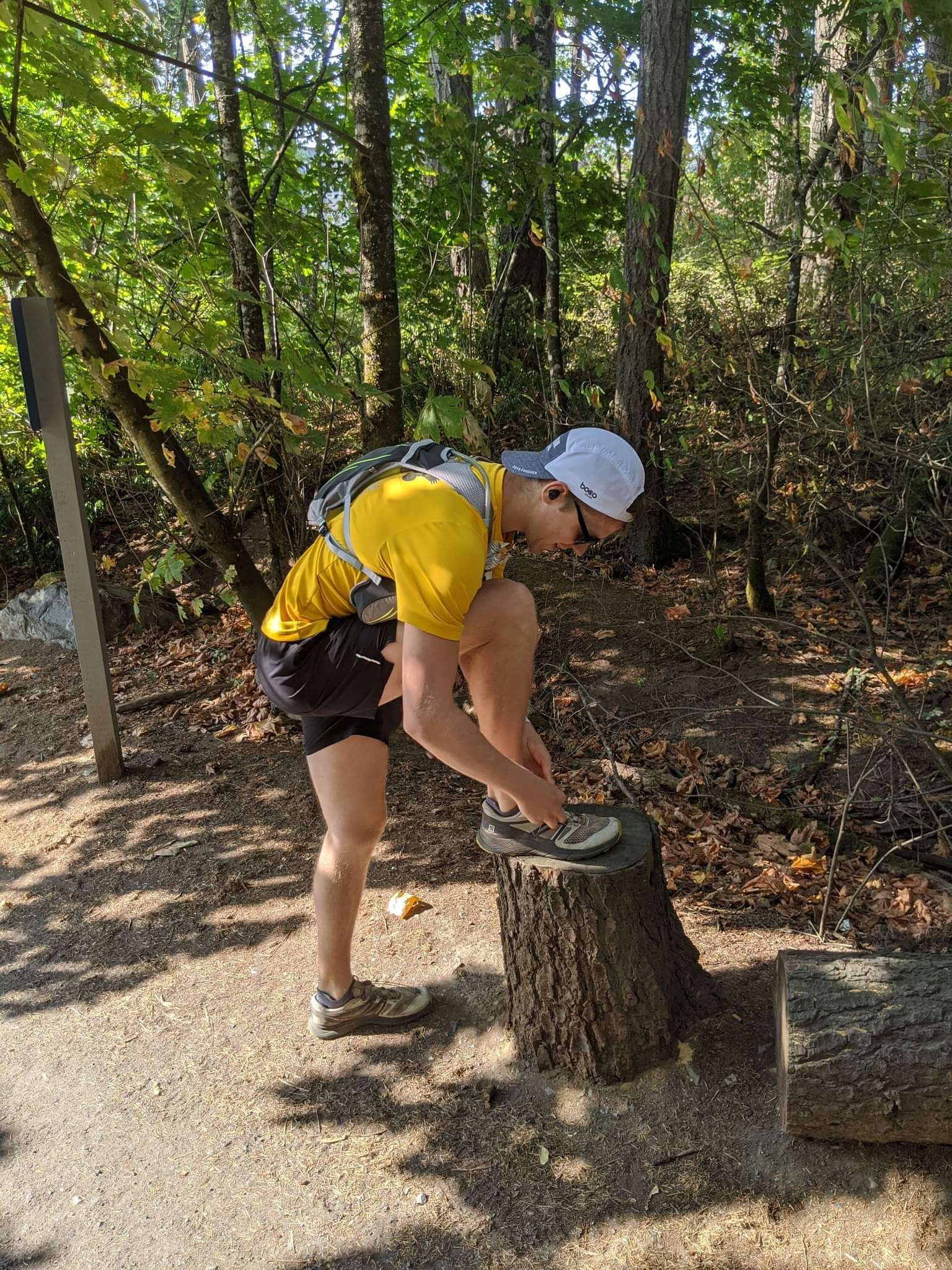
5 Benefits of Mobility Work
Mobility work can help you move more comfortably, improve performance, reduce stiffness, and support injury recovery. Discover five key benefits of mobility exercises and simple ways to add them to your routine with guidance from Recharge Physiotherapy.
ICBC Injury Claims: Everything You Need to Know After a Car Accident
Injured in a car accident in BC? Learn how ICBC physiotherapy coverage works, when you can start treatment, what’s covered, and what to bring to your first appointment. At Recharge Physiotherapy, we’re here to help make the recovery process as simple as possible.
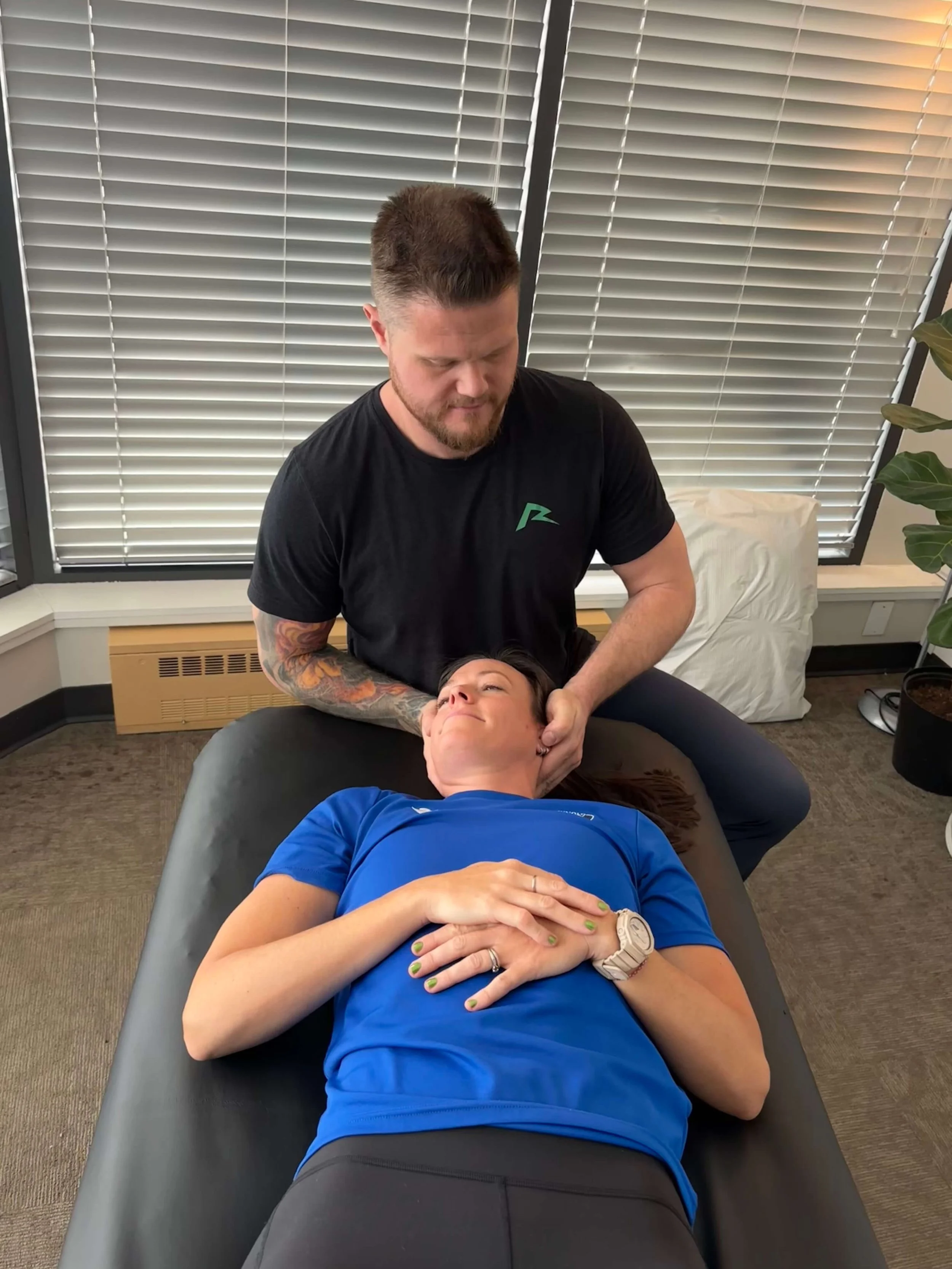
5 Simple Ways to Relieve Neck Pain
Neck pain doesn't always require a complete lifestyle overhaul—sometimes a few simple changes can make a noticeable difference. From improving your workstation setup to strengthening key muscles and staying mobile throughout the day, these five practical tips can help reduce discomfort, improve mobility, and keep you moving with confidence. Whether your neck pain is new or has been bothering you for a while, these strategies are a great place to start.
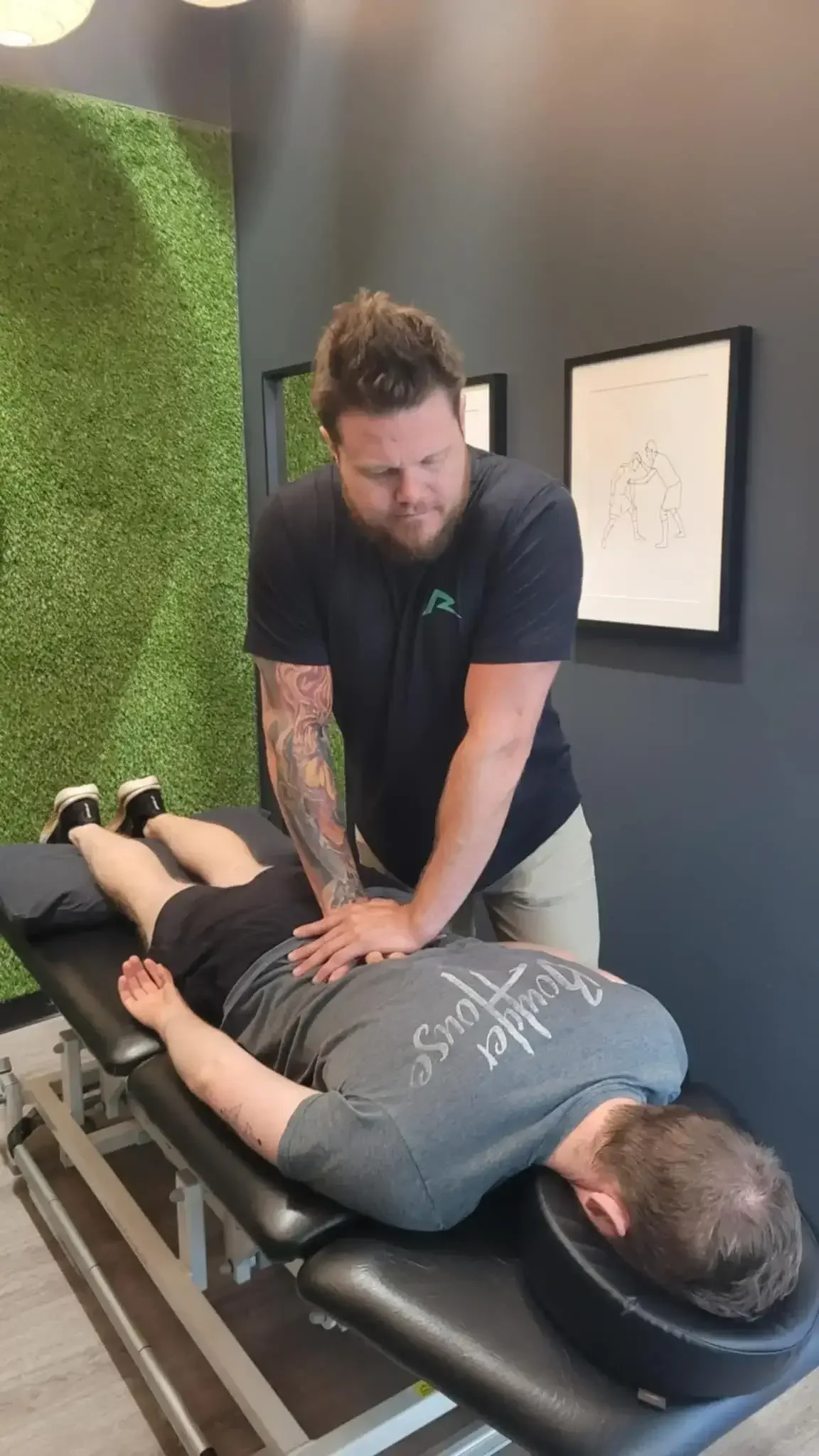
Benefits of Targeted Manual Chiropractic Therapy
Looking for pain relief without relying on medication? Targeted manual chiropractic therapy combines hands-on soft tissue treatment, assisted stretching, and myofascial techniques to reduce pain, improve mobility, and help you move with confidence. Learn how this specialized treatment differs from a traditional chiropractic appointment and why it may be the right option for your recovery.
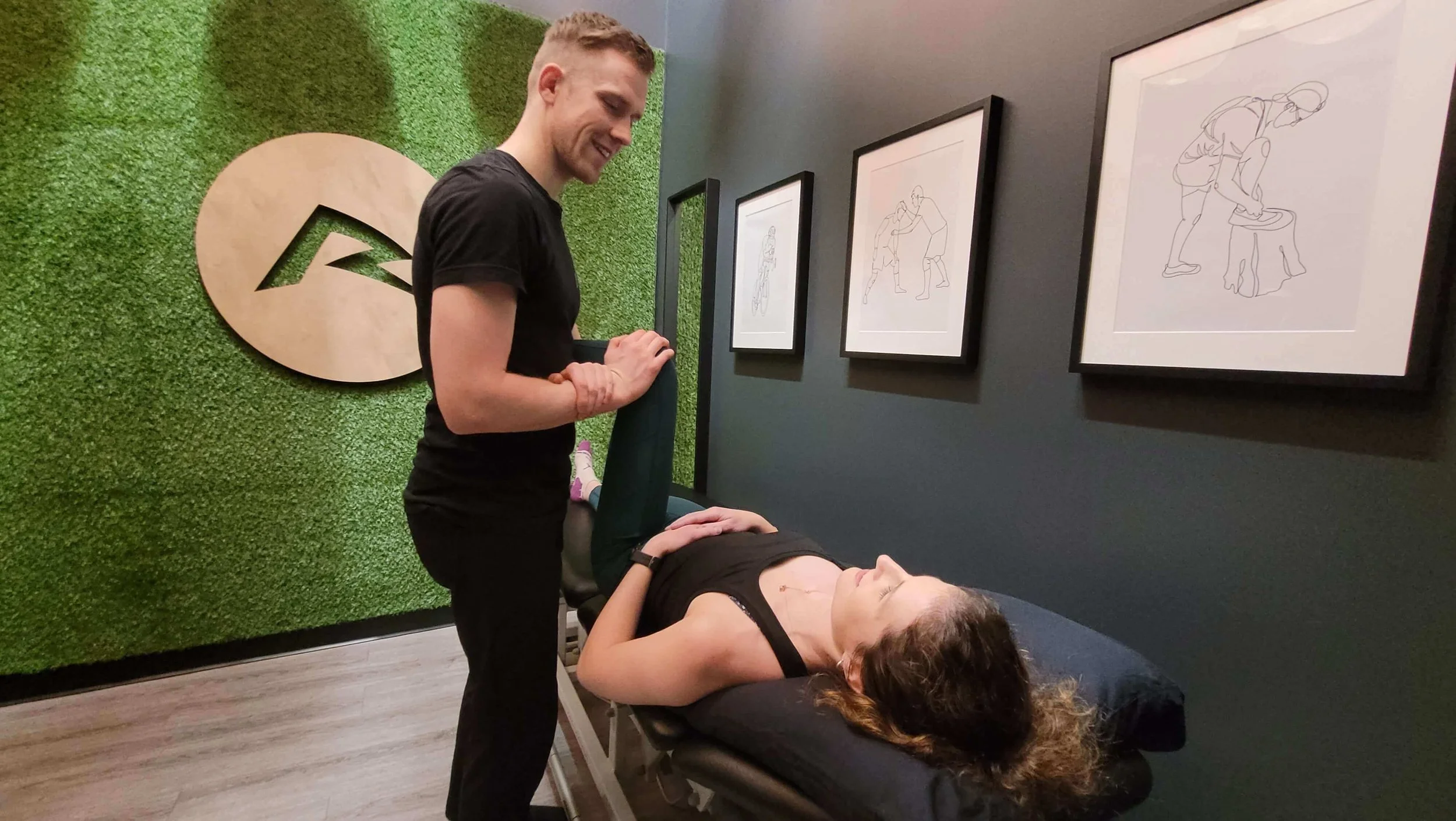
4+ Natural Remedies for Knee Pain Relief: Advice from a Physiotherapist
Knee pain can make everyday activities and the sports you love feel challenging, but many cases respond well to conservative treatment. From targeted exercises and physiotherapy to heat, ice, supportive footwear, and dry needling, discover natural ways to relieve knee pain, improve mobility, and get back to moving with confidence.
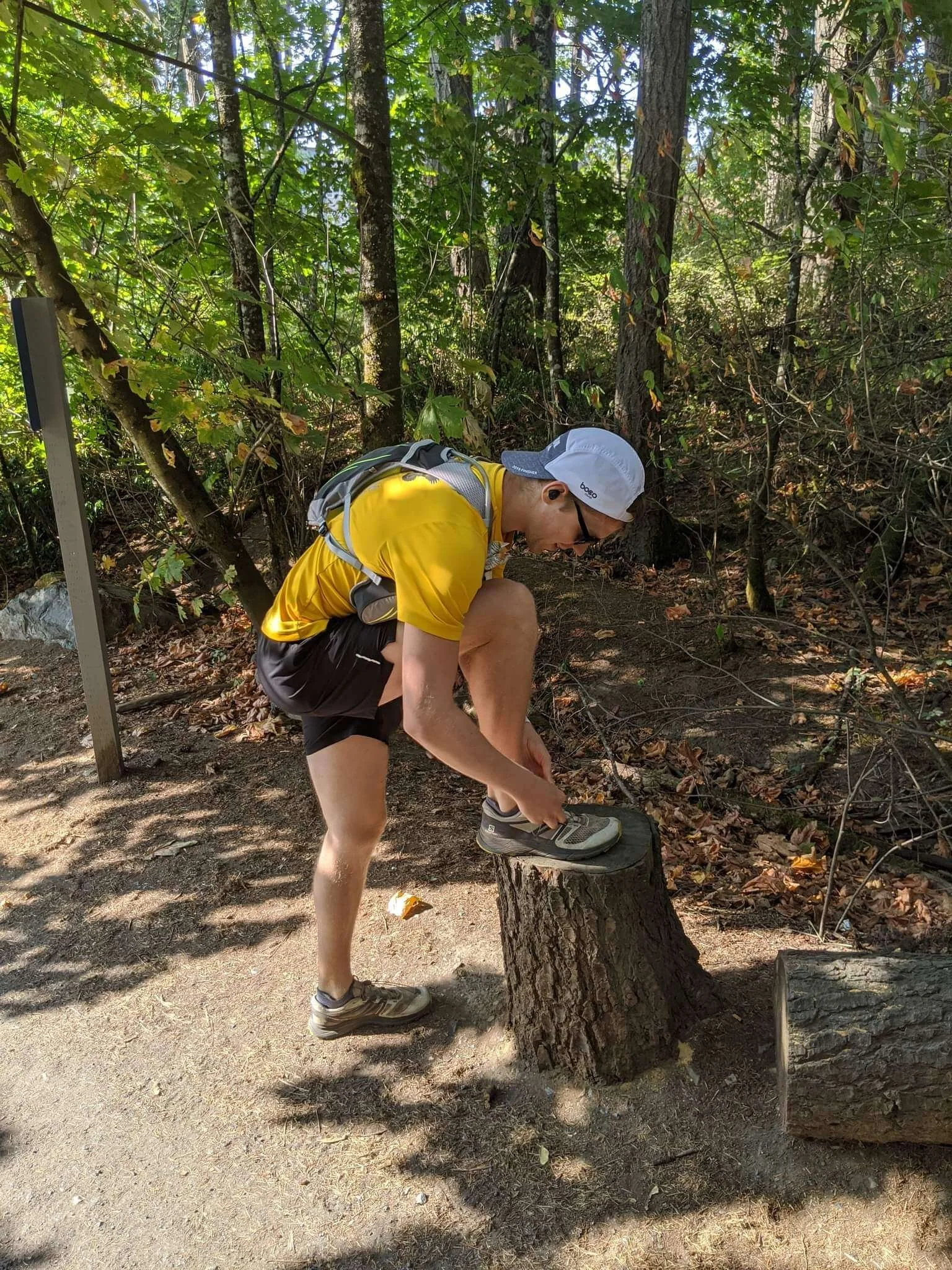
Prep Your Body for the Outdoor Season
Stay injury-free and make the most of the outdoor season with a little preparation. Whether you're planning hikes, camping trips, cycling adventures, paddling, or trail running, building strength, improving mobility, and gradually increasing your activity can help reduce your risk of strains, sprains, and overuse injuries. Discover practical tips from our physiotherapy team to help you get adventure-ready and enjoy every moment outdoors with confidence.
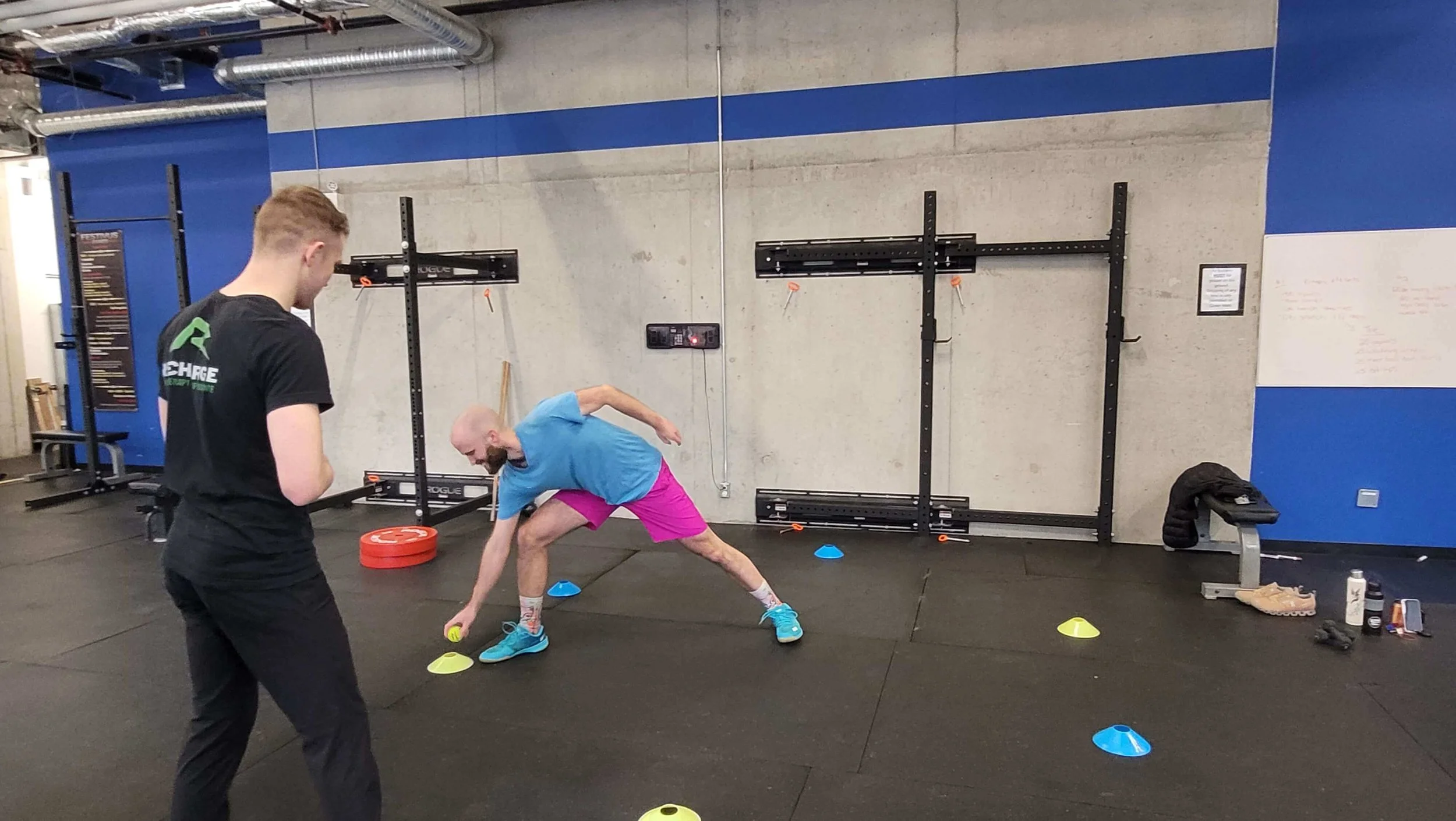
Train While Recovering from Injury (Physio Guide)
Recovering from an injury doesn't always mean putting your fitness goals on hold. In fact, the right type of movement can support healing, maintain strength, and help you return to activity faster. In this guide, Victoria physiotherapists explain how to safely modify your training, manage pain, avoid common recovery mistakes, and continue exercising without compromising your rehabilitation. Whether you're dealing with knee pain, back pain, shoulder injuries, or a sports-related setback, these evidence-based strategies can help you stay active while recovering with confidence.
PEACE and LOVE: Soft Tissue Recovery
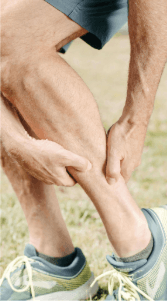
Soft tissue injuries can disrupt daily life, but the right recovery strategy can make a significant difference. The PEACE & LOVE framework provides a modern, evidence-informed approach to healing by combining effective early injury management with active rehabilitation. Learn how Protect, Elevate, Avoid anti-inflammatories, Compress, and Educate (PEACE) work alongside Load, Optimism, Vascularization, and Exercise (LOVE) to support recovery, restore function, and help prevent future injuries.
Tips for Faster Injury Recovery and Rehab
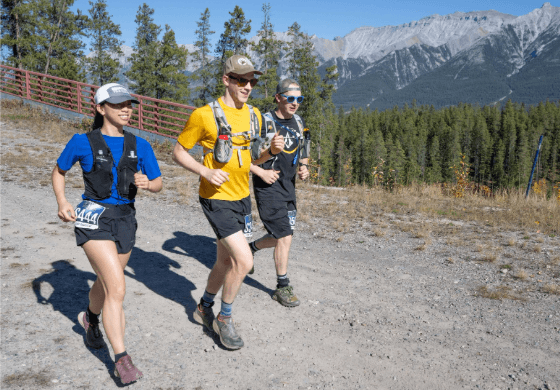
Running injuries are common, but they’re often preventable. From runner’s knee and plantar fasciitis to Achilles tendinopathy and shin splints, understanding why injuries happen is the first step toward staying healthy. Learn the most common causes of running injuries, proven prevention strategies, and when to seek physiotherapy to keep you running stronger, longer, and with less pain.

Common Running Injuries and How to Prevent Them (A Physiotherapist’s Guide)
Recovering from an injury takes more than just time—it requires the right approach. From understanding the healing process and seeking early intervention to leveraging professional therapy, proper nutrition, and supportive recovery strategies, there are many ways to improve your rehabilitation journey. Discover practical tips to help you recover faster, restore mobility, and get back to the activities you enjoy with confidence.
Maximize Your Workout: How to Train with a Bike Erg
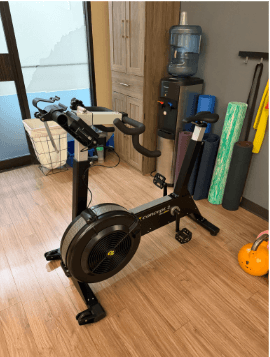
Looking for a low-impact way to build endurance, improve cardiovascular fitness, and elevate your training? A bike erg offers a versatile and effective solution for athletes and fitness enthusiasts of all levels. From steady-state rides to high-intensity interval training, bike ergs allow you to customize workouts to match your goals while tracking key performance metrics along the way. Discover the benefits of bike erg training, learn how to set up your machine for optimal performance, and explore workout strategies that can help you maximize every session.
Sarcopenia: More Than Just Muscle Loss – What Physiotherapy Can Do to Help
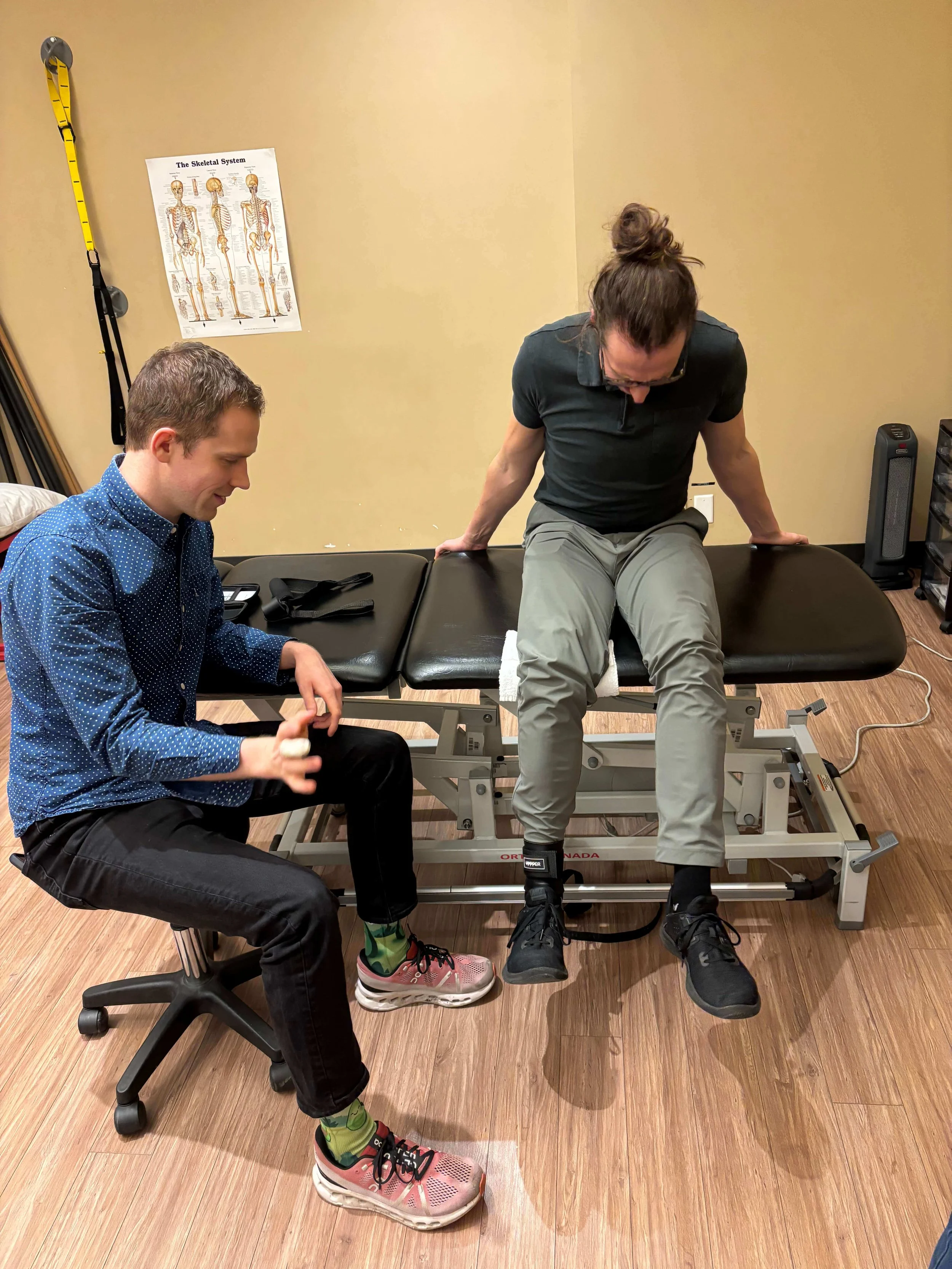
Sarcopenia is more than just age-related muscle loss—it’s a decline in strength, function, and independence that can increase the risk of falls and injury. The good news? It’s not inevitable. With targeted physiotherapy, including strength training, balance work, and functional exercises, sarcopenia can be slowed and even improved. Early intervention is key to maintaining mobility, confidence, and quality of life as you age.
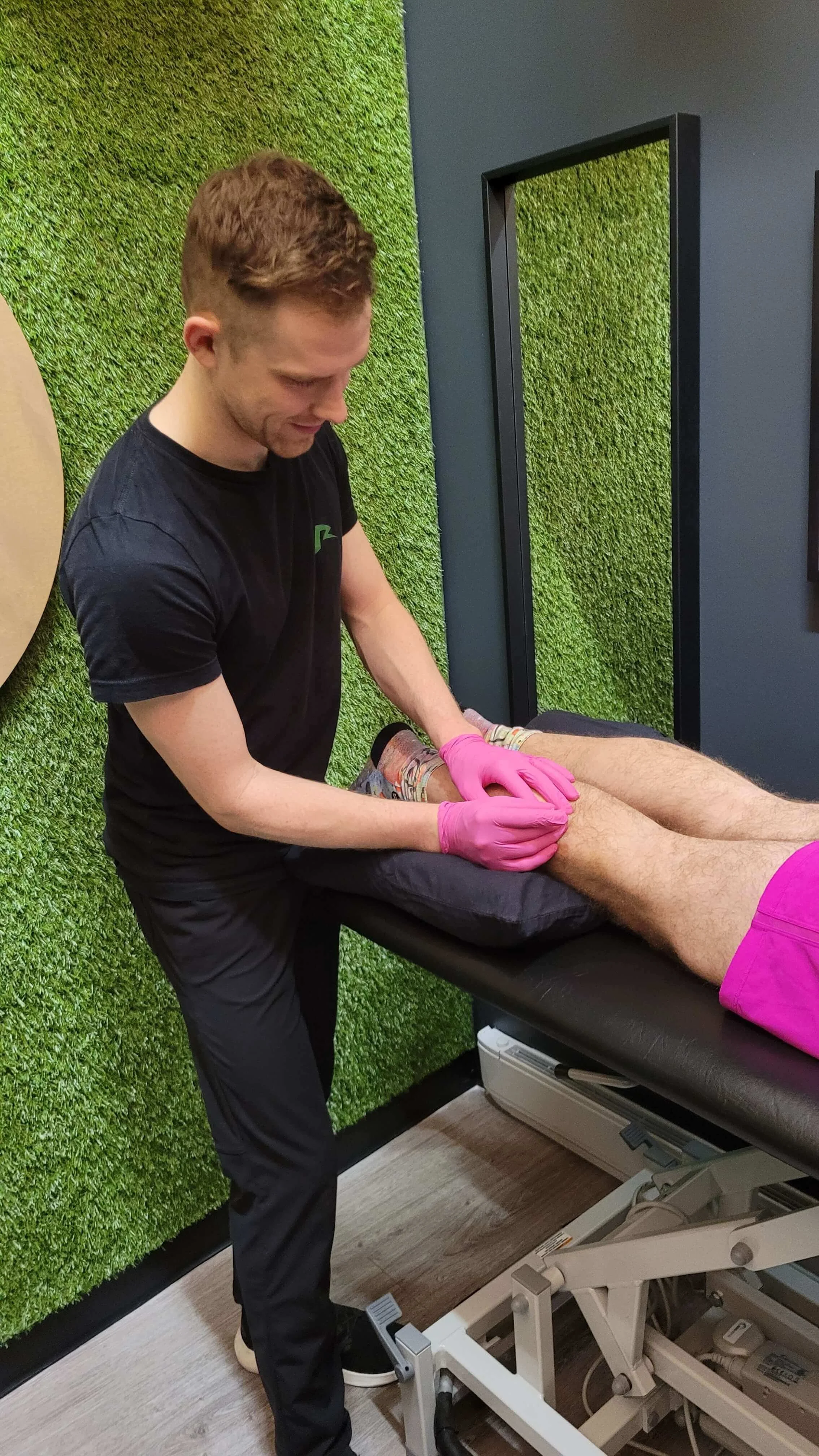
Active Rehab vs Passive Treatment: What’s the Difference and When Do You Need Each?
Injury recovery can feel confusing—especially when you hear terms like passive treatment and active rehabilitation.
Passive treatment involves hands-on care like massage or joint work to reduce pain and improve mobility. It’s often most helpful early on, when symptoms are intense or movement feels limited.
Active rehabilitation focuses on exercise and guided movement to rebuild strength, control, and resilience. This becomes essential for long-term recovery, preventing re-injury, and returning to activity.
The key isn’t choosing one over the other. The best results usually come from combining both—starting with symptom relief, then progressing to movement and strength for lasting recovery.
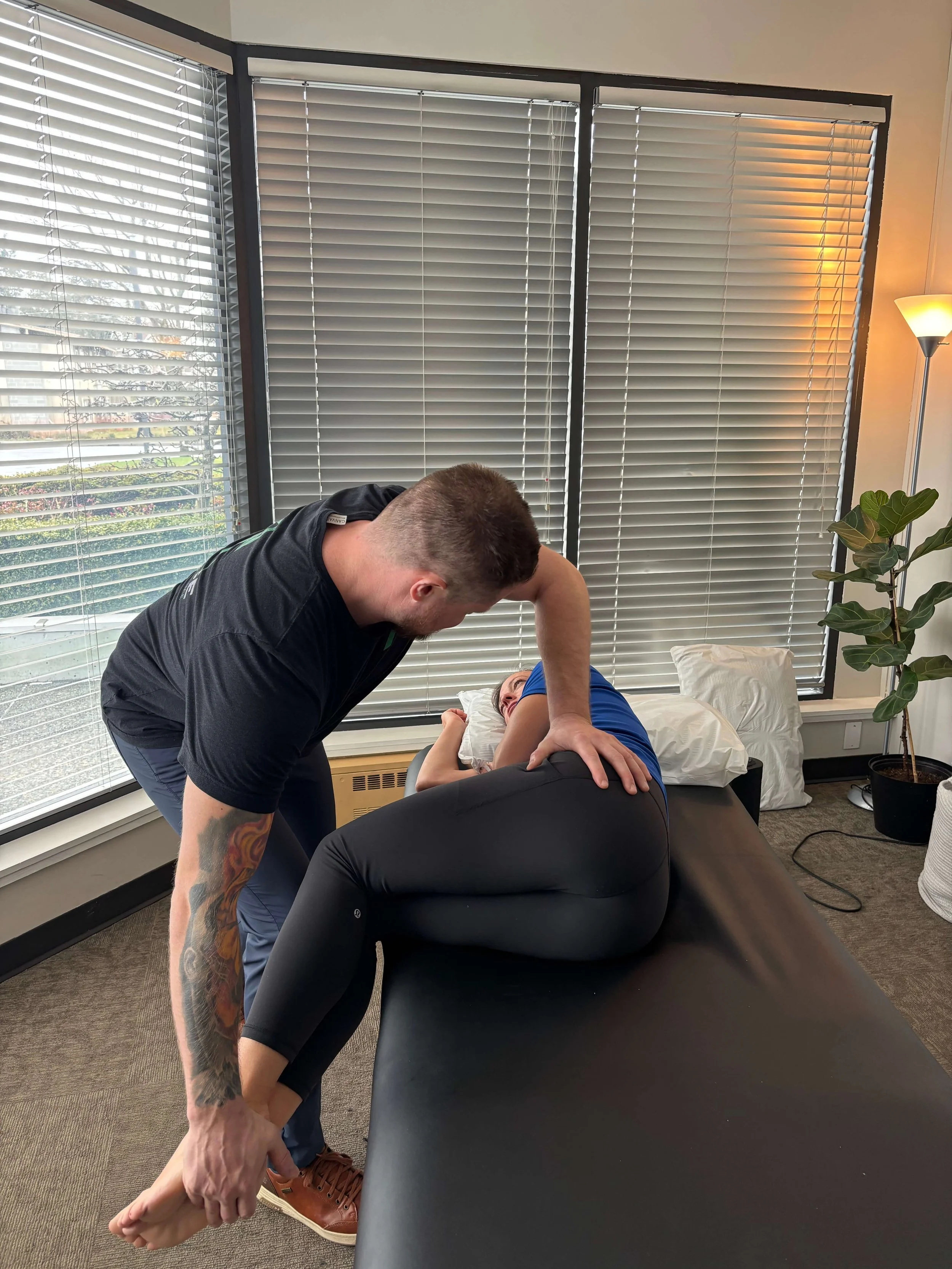
Chiropractic Adjustment Explained: What to Expect and How It Helps
If you’ve never seen a chiropractor and had an adjustment, it’s normal to have questions—will it hurt, and what’s that “pop”?
An adjustment is a precise, controlled movement applied to a joint to improve motion, reduce tension, and ease discomfort.
If pain or stiffness is limiting you, chiropractic care can help you move and feel better—so you can get back to doing what you love.
Tennis Elbow Treatment in Victoria, BC
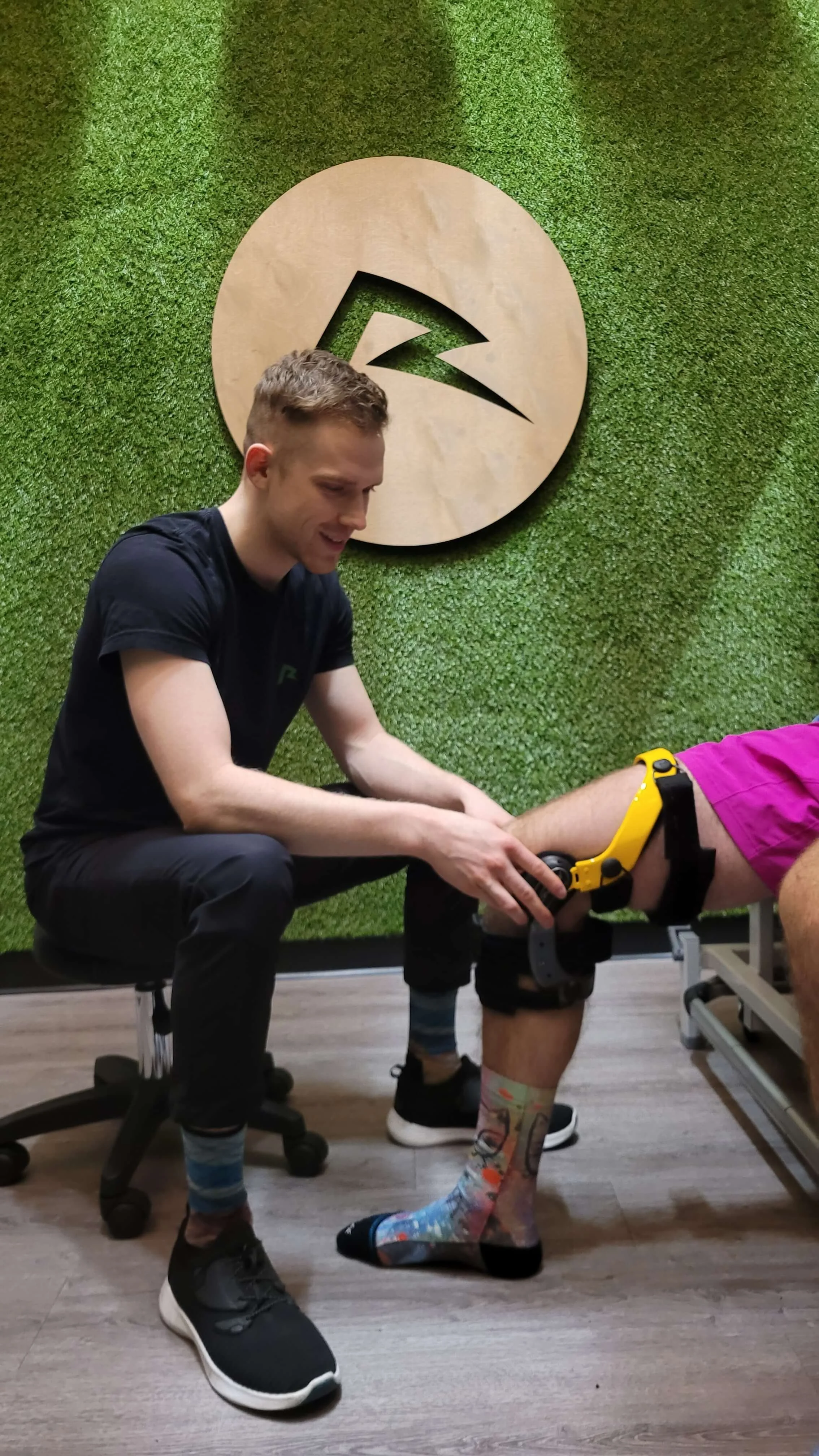
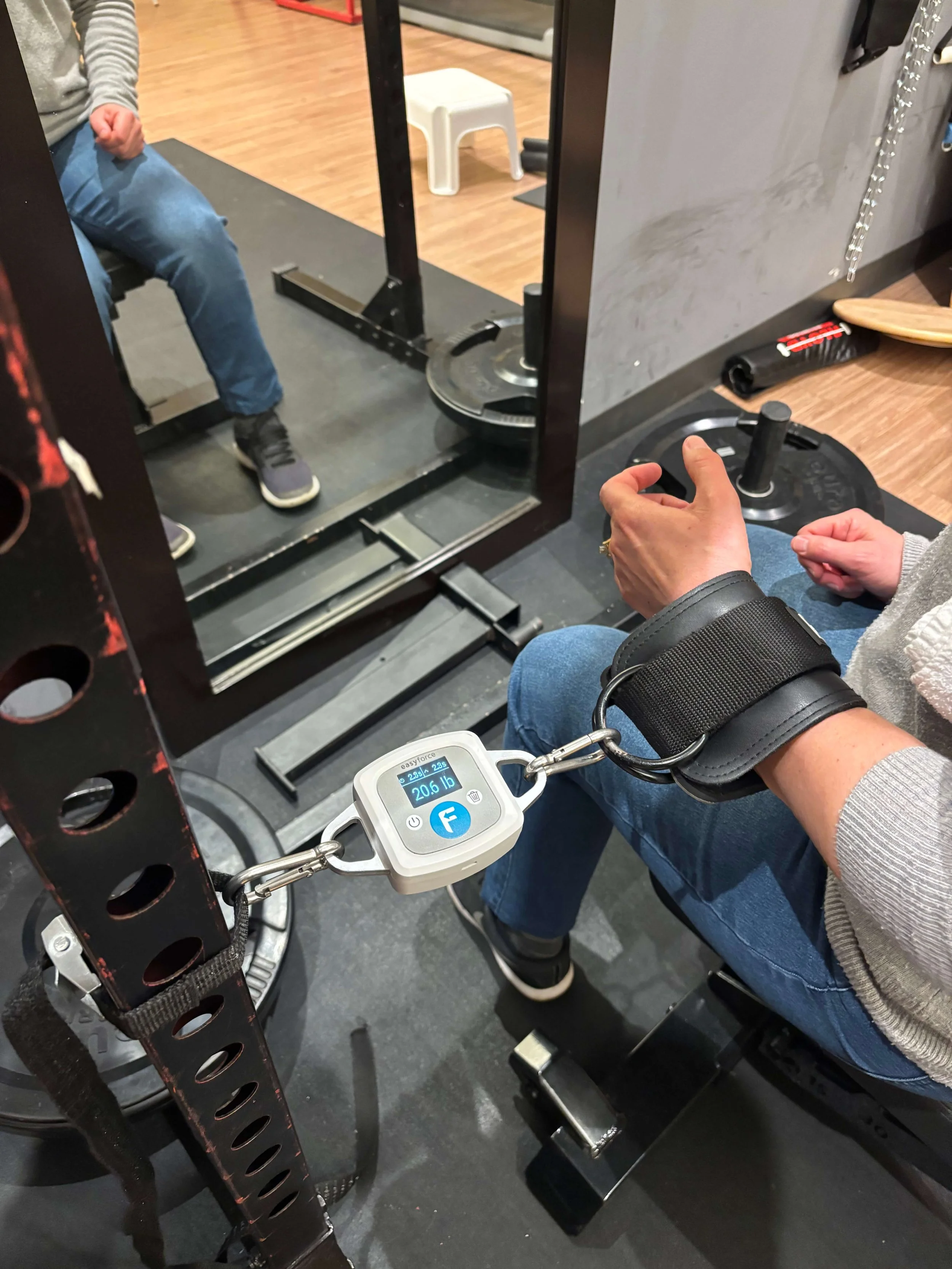
Struggling with pain on the outside of your elbow when lifting, gripping, or working? You may be dealing with tennis elbow, a common overuse injury that can interfere with daily activities and active living in Victoria. At Recharge Physiotherapy + Performance, we provide personalized, evidence-based treatment to reduce pain, restore strength, and help you return to the activities you enjoy—whether that’s sport, work, or everyday tasks.
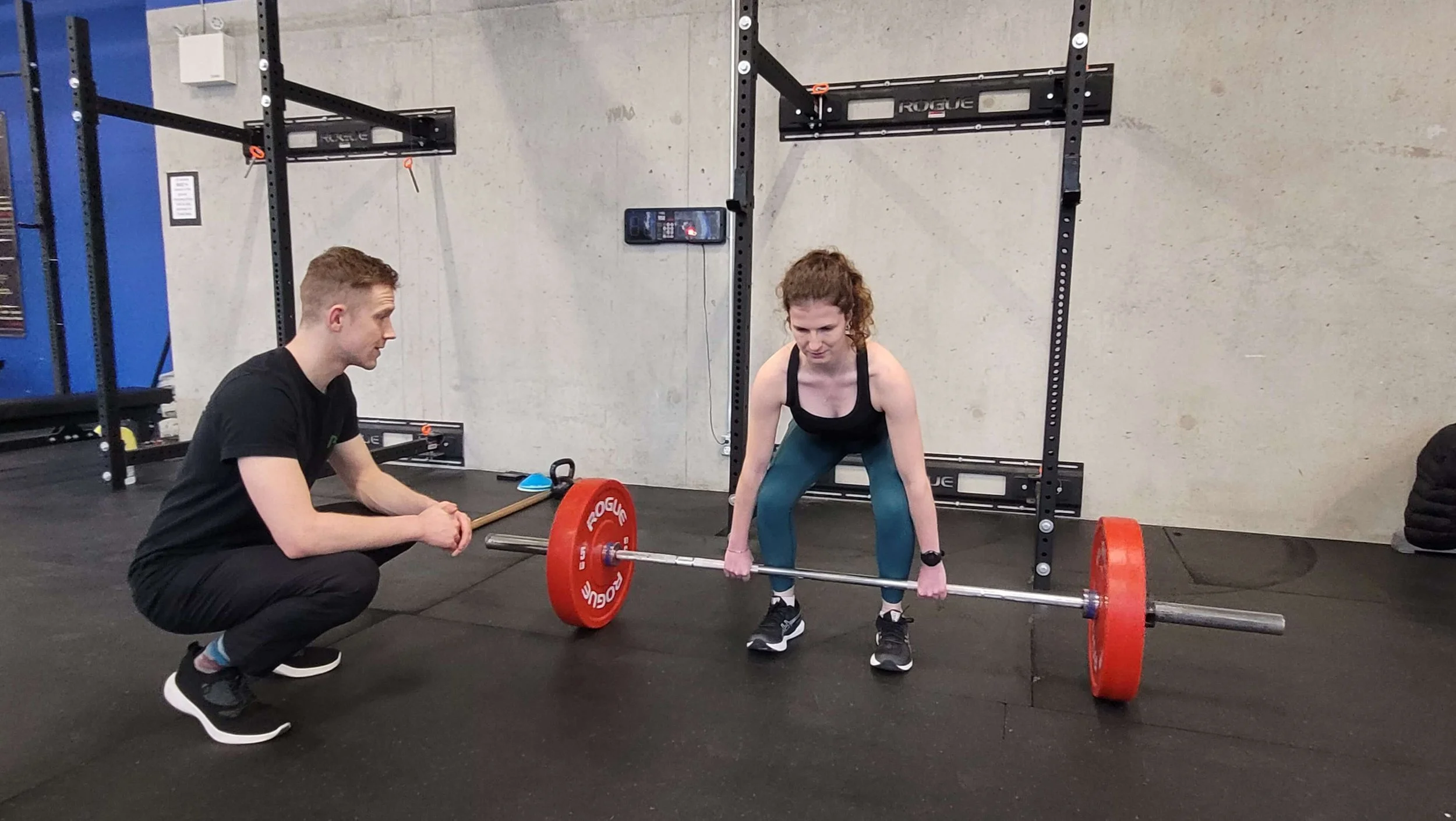
How to Train Safely While Recovering from an Injury
Recovering from an injury doesn’t mean putting your entire fitness routine on hold. In fact, staying active—when done thoughtfully—can be one of the most important parts of the healing process. Rather than complete rest, a smarter approach is to adapt your training so it supports recovery instead of slowing it down. With the right modifications and guidance, you can maintain strength, reduce stiffness, and keep your momentum while your body heals.
The key is learning how to work with your injury, not against it. That means respecting pain signals, adjusting movements, and focusing on what you can do instead of what you can’t. Whether it’s reducing load, changing exercise variations, or training unaffected areas, these small shifts allow you to stay consistent without risking further setbacks.
Done correctly, training during recovery doesn’t just maintain your fitness—it can actually set you up to come back stronger, more resilient, and with better movement quality than before.