
Common Running Injuries and How to Prevent Them (A Physiotherapist’s Guide)
Running is one of the simplest and most effective ways to stay active, but it’s also subject to it’s fair share of injuries.
If you’ve ever had to stop running because of pain, you’re not alone. Most running injuries aren’t caused by a single event, they build up over time due to training errors, strength deficits, or poor recovery.
The good news? With the right approach, most running injuries are preventable and highly treatable.

Why Do Running Injuries Happen?
Before jumping into specific injuries, it’s important to understand the bigger picture.
Many running injuries come down to one key concept:
Load vs Capacity
Load = how much stress you put on your body (running distance, intensity, hills, speed work)
Capacity = how much your body is prepared to handle
Injuries are more likely to happen when the load exceeds capacity.
This is why it’s best not to:
Increasing mileage too quickly
Have single runs that are substantially longer or harder than usual
Return to full running too quickly after time off
Or neglect your strength training
We call these “Training Errors”.
The Most Common Running Injuries
1. Runner’s Knee (Patellofemoral Pain Syndrome)
What it feels like:
Pain around or behind the kneecap
Worse with stairs, squats, downhill running, or prolonged sitting
Key contributing factors:
Decreased quad strength
Decreased hip strength
Training errors
What actually helps:
Gradually reloading running volume (rarely complete rest)
Strength training for the quads and hips
Taping
Orthotics
2. Plantar Fasciitis
What it feels like:
Pain with weight-bearing/standing
Painful to press just in front of the heel
Worse with first steps in the morning
Key contributing factors:
Limited ankle range of motion (“ankle stiffness”)
Work-related weight-bearing/standing activities
Training errors
What actually helps:
Stretching
Taping
Manual therapy
Night splints
Shockwave
Orthotics
IMS
Calf strengthening
Foot intrinsic strengthening exercises
3. Achilles Tendinopathy
What it feels like:
Gradually worsening stiffness or pain in the Achilles tendon
Pain when standing on your toes
Worse in the morning or early in a run, sometimes easing as you go
Key contributing factors:
Decreased calf strength
Abnormal ankle range of motion
Decreased hip control
Training errors
What actually helps:
Progressive tendon loading, with emphasis on the soleus
Managing running intensity (especially hills)
Gradual return to full running load
4. IT Band Syndrome
What it feels like:
Sharp or burning pain on the outside of the knee
Often worsens the longer you run
Most notable when running fast or downhill
Key contributing factors:
Decreased hip strength
Altered running form
Training errors (especially with downhill running)
What actually helps:
Hip strength training
Managing running intensity (especially hills)
Running form changes
5. Shin Splints (Medial Tibial Stress Syndrome)
What it feels like:
Aching pain along the shin
Worse during or after running
Key contributing factors:
Altered running form
Training errors
What actually helps:
Rest and gradual return to walking and running
Running form changes
The Biggest Mistake Runners Make
The most common mistake isn’t running, it’s how people respond to pain.
Many runners:
Stop completely
Stretch aggressively
Wait for pain to disappear
But this often isn’t helping them get back on their feet long-term.
Most injuries require progressive loading, not just rest. There are exceptions, like shin splints, but most running-related injuries are best managed by continuing to move in some way.
How to Actually Prevent Running Injuries
1. Progress Your Training Intentionally
Avoid sudden spikes in:
Distance
Speed
Frequency
A general guideline: increase weekly mileage gradually and adjust based on how your body responds - not just a fixed rule.
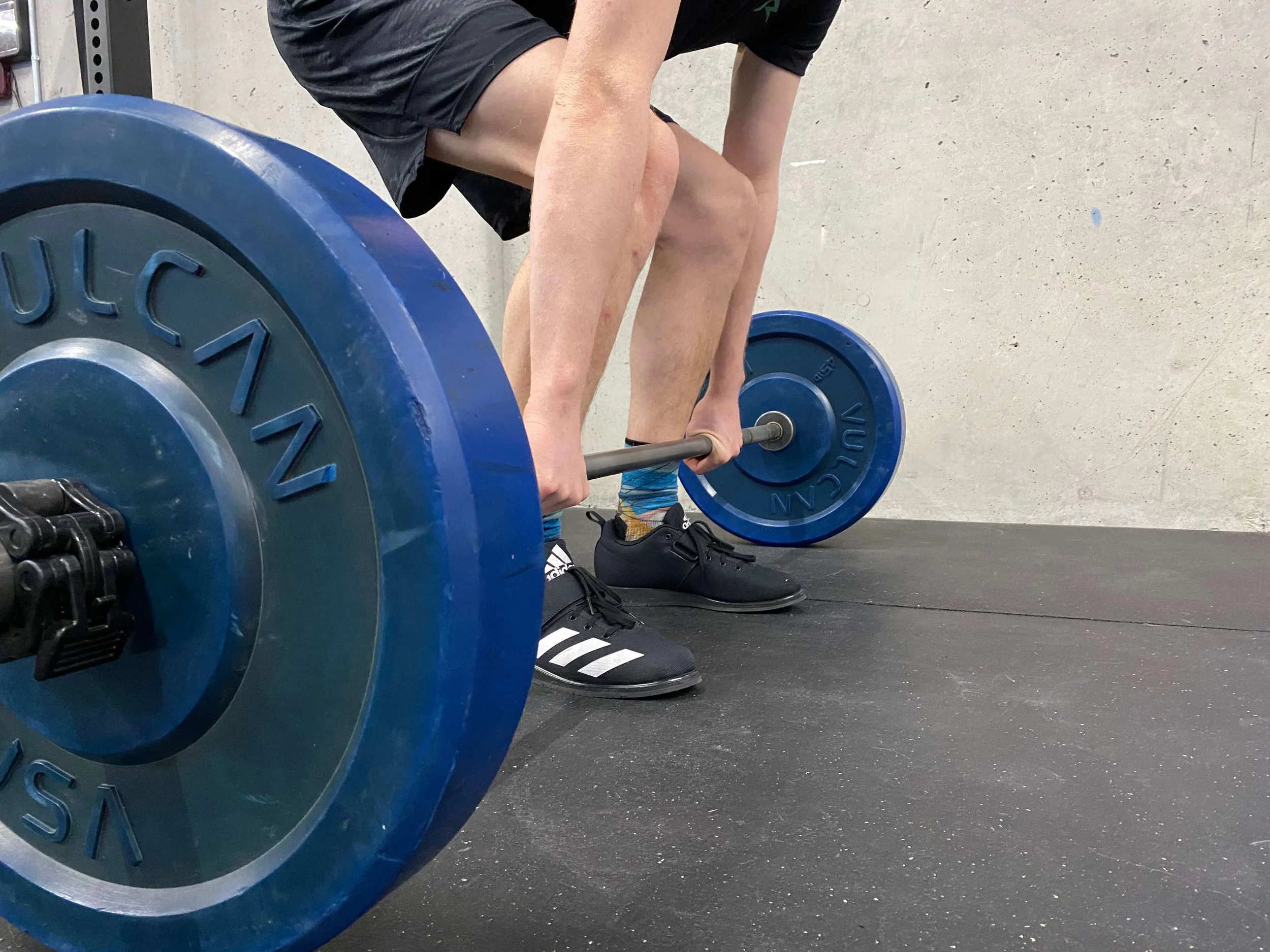
2. Strength Train (This Is Non-Negotiable)
Strength training improves your body’s ability to absorb load and decreases injury risk by up to 70%.
Focus on:
Quad strength (eg. squats)
Hip strength (eg. side planks)
Calf strength (eg. calf raises)
Even 2 sessions per week can significantly reduce injury risk.
3. Respect Recovery
You don’t get stronger from training, you get stronger by recovering from training.
Key factors:
Sleep quality
Nutrition
Rest days
4. Don’t Ignore Early Pain
Pain is often an early warning, not something to push through blindly.
Addressing it early:
Reduces recovery time
Prevents more serious injury
Keeps you running consistently
When Should You See a Physiotherapist?
You should consider getting assessed if:
Pain lasts more than a few runs
Symptoms are getting worse
You’re changing how you run because of pain
You’ve had recurring injuries
A physiotherapist can help identify why the injury is happening, not just where it hurts.
How Physiotherapy Helps Runners
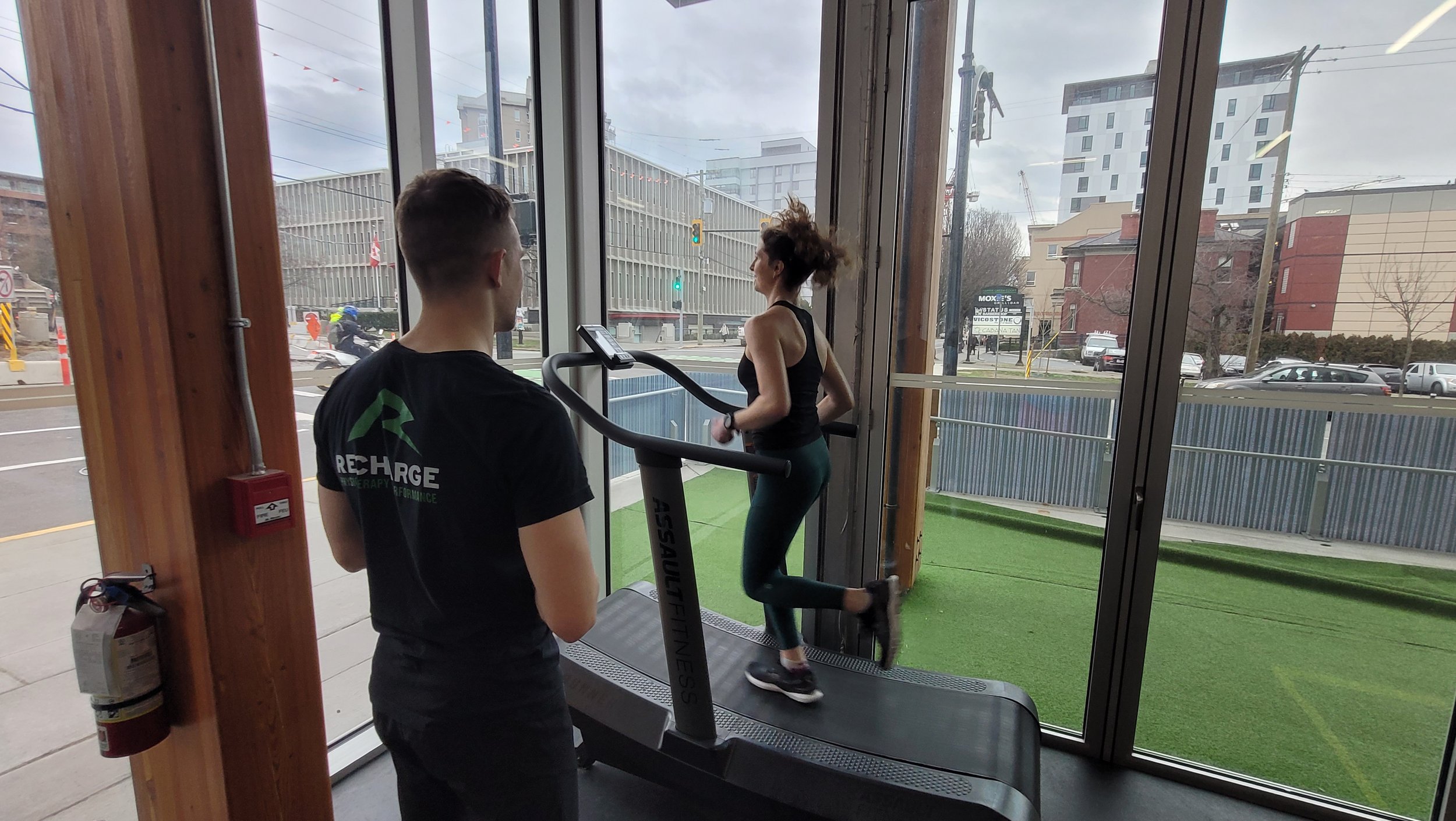
At Recharge Physiotherapy, the focus isn’t just on treating pain, it’s on improving how your body handles running.
That includes:
Assessing movement and strength
Assessing running form
Identifying load management issues
Building a personalized rehab and training plan
Helping you return to running safely and confidently
Final Thoughts
Running injuries can be frustrating, but they’re rarely random.
With the right balance of training, strength, and recovery, you can reduce your risk significantly and stay consistent long-term.
If you’re dealing with a running injury — or want to stay ahead of one — our physiotherapists at Recharge Physiotherapy can help. We offer individualized assessments and running gait analysis to identify what’s holding you back and build a plan to keep you running strong.
Your Recovery is Unique and We’re Here to Help!
The above tips are a great way to understand your recovery process and highlight what you can do on your own, but sometimes you might need professional assistance.
Give us a call at 250-885-8405 or schedule an appointment and and we’ll help you find the right path forward.