
Living with Osteoarthritis: How Physiotherapy Can Help You Stay Active
What Is Osteoarthritis?
Osteoarthritis (OA) is the most common type of arthritis, affecting 1 in 5 Canadians over the age of 45. It’s often called a “wear and tear” condition, but there’s much more to it than that.
Osteoarthritis is a term that describes changes to cartilage inside the joints, most commonly noticed in the knees, hips, hands, and spine.
People often assume these changes always lead to pain, but that’s not the case. People can experience very different levels of pain and function with similar OA presentations.
Knowing how to manage your knee pain, or even whether to get imaging, can be guided by your physiotherapist and should be specific to you.
Common Symptoms of Osteoarthritis
If you’re noticing any of these signs, you might be dealing with osteoarthritis:
Reduced range of motion
Stiffness, especially in the morning or after rest
Swelling or tenderness around the joint
Joint enlargement
Joint pain during or after movement
Weakness or muscle loss from reduced activity
Symptoms usually start gradually and progress over time with some people noticing "flare-ups" after increased activity.
What Causes Osteoarthritis?
Several factors contribute to OA:
Age: Joint changes are a normal part of aging (like gray hair or wrinkles)
Previous joint injuries: Sports injuries or surgery can increase the incidence of OA later in life
Obesity: Extra weight and metabolic factors can also increase OA incidence
Genetics: If OA runs in your family, your risk may be higher
But here’s some good news: no matter the cause, physiotherapy can help you manage OA effectively!
How Is Osteoarthritis Diagnosed?
You don’t need fancy tests to start getting help. Often, a diagnosis is made based on your symptoms, medical history, and a physical exam. Sometimes, imaging like X-rays or MRIs are used to confirm the diagnosis or rule out other conditions.
If you’re noticing persistent joint pain or stiffness, seeing a physiotherapist early can make a big difference.
Why Physiotherapy Is a Key Part of Osteoarthritis Care
Many people assume osteoarthritis means they'll have to "just live with the pain" but that’s not always the case.
Physiotherapy is one of the most effective, evidence-based ways to manage OA—without medication or surgery. Here’s how:
1. Reduce Pain Without Medication
A physiotherapist will help you learn how to move in ways to reduce strain on painful joints. With the right treatment plan, many people report less day-to-day pain and fewer flare-ups.
Common techniques include:
Strengthening the surround muscles
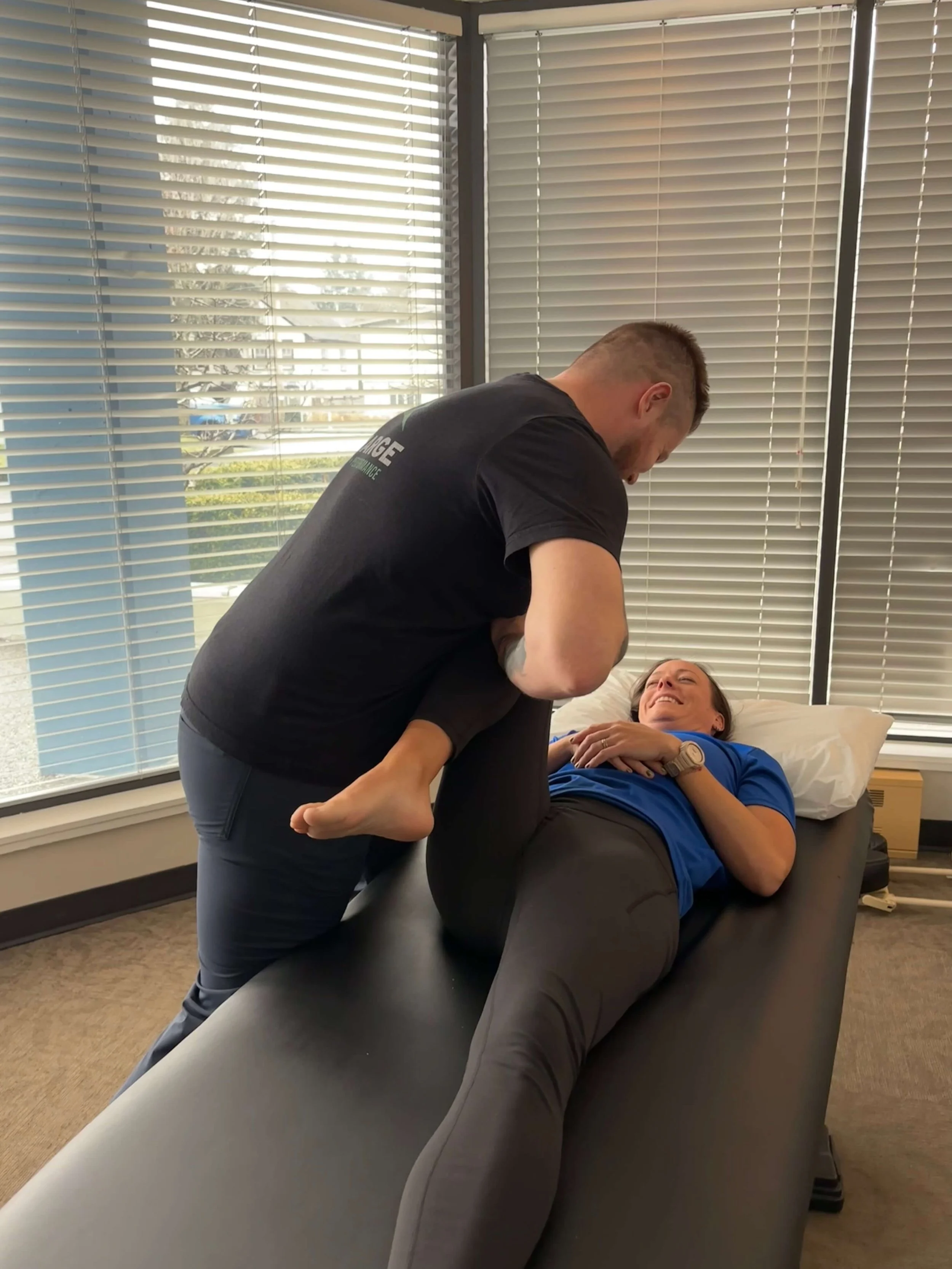
Manual therapy, joint mobilizations and stretching
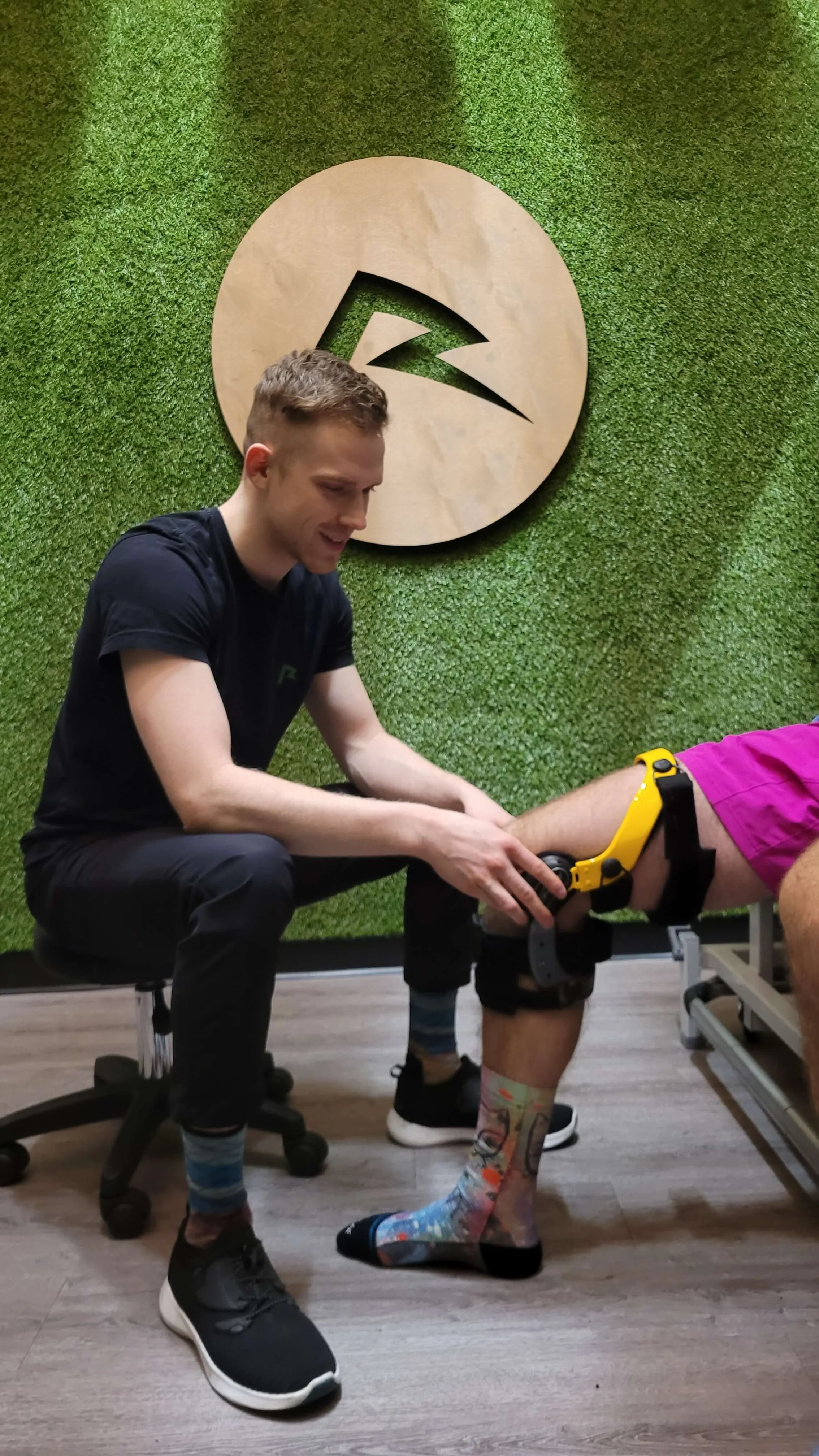
Bracing (custom or off-the-shelf)
2. Improve Joint Function and Strength
Muscle weakness often goes hand-in-hand with osteoarthritis. Often occuring as a result of pain and limited use, the body will lose some of its strength. A physiotherapist will create a custom strength and mobility program to help offload the joint and support healthy movement.
For example, if you have knee OA, your physio may focus on strengthening your quadriceps, hamstrings, glutes, and calves to support the joint.
3. Stay Active Safely
Many people with OA avoid activity for fear of making their pain worse. But avoiding movement often leads to more stiffness, strength loss, and pain.
Your physiotherapist will help you find safe ways to stay active—like walking, cycling, swimming, or strength training. Keeping active not only improves your symptoms but also helps your heart, lungs, mood, and sleep.
4. Prevent, Delay, or Prepare for Surgery
Physiotherapy doesn’t just help you feel better—it may also help you avoid or delay joint replacement surgery. According to clinical guidelines, exercise and education should be the first line of treatment for knee and hip OA, even before medications or injections.
In cases where surgery is eventually needed, those who complete pre-surgical rehab (called “prehab”) often recover faster and with better outcomes.
What Does a Typical OA Physiotherapy Treatment Plan Look Like?
Every person’s body is different, but here’s an example of what you might expect:
Initial Assessment
Discussion about your pain, function, and goals
Range of motion and strength testing
Gait analysis
Customized Treatment Plan
Exercise therapy: to improve strength, mobility, and control
Manual therapy: hands-on techniques to manage pain and stiffness
Education: learning how to manage flares, how to move in a supportive way, manage loading, and use bracing if needed
Lifestyle advice: recommendations on weight management, footwear, ergonomics, etc.
Final Thoughts: You’re Not Alone, and Help Is Available
Osteoarthritis is a common and manageable condition. While it can’t be reversed, it can absolutely be improved or controlled with the right approach.
If you’re struggling with joint pain, stiffness, or reduced mobility, working with a physiotherapist can help you take back control of your life.
Whether you’re hoping to return to the golf course, keep up with your grandkids, or simply enjoy a walk without pain, physiotherapy can support your goals.
Ready to Start Moving Better?
If you’re dealing with osteoarthritis symptoms, don’t wait for them to get worse. Book an assessment at Recharge Physiotherapy + Performance today and take the first step toward pain relief, strength, and better movement.
References
Arthritis Society Canada. (n.d.). Osteoarthritis. Retrieved from: https://arthritis.ca
National Institute for Health and Care Excellence (NICE). (2014). Osteoarthritis: Care and management. Clinical guideline [CG177]. Retrieved from: https://www.nice.org.uk/guidance/cg177
World Health Organization (WHO). (2023). Musculoskeletal Conditions. Retrieved from: https://www.who.int/news-room/fact-sheets/detail/musculoskeletal-conditions
Fransen, M., & McConnell, S. (2008). Exercise for osteoarthritis of the knee. Cochrane Database of Systematic Reviews, (4), CD004376. doi:10.1002/14651858.CD004376.pub2
Bennell, K. L., Hunter, D. J., & Hinman, R. S. (2012). Management of osteoarthritis of the knee. BMJ, 345, e4934. doi:10.1136/bmj.e4934
Canadian Physiotherapy Association. (n.d.). Physiotherapy and Arthritis. Retrieved from: https://physiotherapy.ca
American College of Rheumatology. (2020). Osteoarthritis treatment guidelines summary. Retrieved from: https://www.rheumatology.org/
McAlindon, T. E., et al. (2014). OARSI guidelines for the non-surgical management of knee osteoarthritis. Osteoarthritis and Cartilage, 22(3), 363-388. doi:10.1016/j.joca.2014.01.003
Zhang, W., et al. (2008). OARSI recommendations for the management of hip and knee osteoarthritis: Part III: Changes in evidence following systematic cumulative update of research published through January 2009. Osteoarthritis and Cartilage, 18(4), 476-499. doi:10.1016/j.joca.2010.01.013
Still Not Sure? We’re Here to Help
Give us a call at 250-885-8405 or schedule an appointment and we’ll help you find the right direction for your recovery!