
PEACE and LOVE: Soft Tissue Recovery
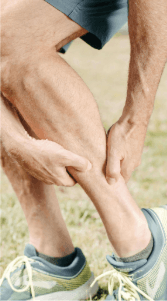
Discover the new acronyms PEACE & LOVE in your soft tissue recovery journey for the best results.
Understanding Soft Tissue Recovery
Soft tissue recovery involves the repair of muscles, tendons, ligaments, and connective tissue after injury. It occurs in three phases: inflammatory, proliferative, and remodeling. Each phase has unique goals and requires specific care.
The inflammatory phase lasts several days after injury. The body protects the area through swelling, increased blood flow, and immune activity. Your focus during this phase should be on reducing pain, limiting swelling, and preventing further injury.
The proliferative phase can last days to weeks. New tissue and blood vessels form, and the body begins rebuilding the injured area. Gradual movement and light loading help support repair.
The remodelling phase may last several months. The new tissue strengthens and adapts to stress as muscle fibres and tendons reorganize. Rehabilitation focuses on restoring strength, flexibility, and full function.
The PEACE & LOVE Principles Explained
The PEACE & LOVE principles guide effective soft tissue recovery. PEACE addresses early injury care, while LOVE focuses on active recovery.
PEACE stands for Protect, Elevate, Avoid anti-inflammatories, Compress, and Educate. It aims to manage acute symptoms and support natural healing.
“Protect” limits movement to prevent further injury. “Elevate” reduces swelling by raising the limb. “Avoid anti-inflammatories” allows the body’s healing response to occur. “Compress” helps control swelling and support tissue. “Educate” encourages understanding and active participation in recovery.
LOVE stands for Load, Optimism, Vascularization, and Exercise. It promotes long-term healing and return to activity.
“Load” reintroduces movement gradually. “Optimism” supports better recovery outcomes. “Vascularization” increases blood flow through light aerobic activity. “Exercise” restores strength, mobility, and function.
Benefits of the PEACE Protocol
The PEACE protocol helps reduce pain, control swelling, and prevent complications immediately after injury and early in recovery.
Protection limits further damage and allows healing to begin.
Elevation reduces fluid buildup and discomfort.
Avoiding anti-inflammatories supports the body’s natural repair process.
Compression stabilizes the area and manages swelling.
Education empowers individuals to follow their recovery plan and recognize issues early.
Together, these steps create a strong foundation for healing and help you take an active role in your recovery.
How to Implement PEACE in Your Recovery Plan
Start by protecting the injured area. Limit movement and follow guidance on supports such as braces or crutches, if necessary.
Elevate the injured area as often as possible, especially in the first few days. This helps reduce swelling.
Avoid anti-inflammatories when possible. Instead, use options like ice, gentle massage, or relaxation techniques for pain.
Apply compression with bandages or garments to control swelling and support the tissue.
Stay informed about your injury and recovery timeline. If needed, reach out to a healthcare practitioner such as a physiotherapist, chiropractor, massage therapist or athletic therapist. Follow your plan closely and communicate with your healthcare provider as needed.
Benefits of the LOVE Protocol
The LOVE protocol supports active recovery and healthy long-term outcomes.
Gradual loading strengthens tissue and prevents stiffness or muscle loss, bringing you back to your previous levels.
Optimism improves adherence and reduces stress, which can enhance healing.
Vascularization increases blood flow, delivering nutrients to help repair tissues.
Exercise rebuilds strength, mobility, and overall function while reducing future injury risk.
This approach moves recovery beyond rest and encourages active participation.
How to Incorporate LOVE into Your Recovery Plan
Begin by slowly adding load through controlled movements. Increase intensity over time based on your progress and guidance from a professional. Maintain a positive mindset. Set realistic goals and engage in activities that support motivation and mental well-being.
Include low-intensity aerobic activity such as walking, cycling, or swimming to improve circulation. Helping blood flow reach needed areas such as tendons and ligaments.
Follow a structured exercise program that includes strength, flexibility, and functional training. Consistency is key to restoring full function.
Common Mistakes to Avoid in Soft Tissue Recovery
Over-resting can delay recovery and cause stiffness, weakness, or, in prolonged cases, can lead to a loss of fitness and bone density. Gradual and low-impact movement is essential in the beginning.
Overusing anti-inflammatory medications may interfere with healing. Use alternatives when appropriate as guided by a pharmacist or physician.
Lack of communication with your healthcare provider can slow progress. Regular check-ins help keep your plan on track and can help your practitioner know when you can move through the next stages, which can quicken your recovery process.
A negative mindset can reduce motivation and affect outcomes. Staying positive supports recovery.
Skipping rehabilitation exercises limits progress. Consistency is critical for regaining strength and function.
Expert Tips for Optimal Recovery
Follow a gradual and structured rehabilitation plan. Avoid rushing the process.
Support recovery with proper nutrition, including protein, fruits, vegetables, whole grains and staying hydrated.
Track your progress by noting pain, movement, and strength changes. Share updates with your provider.
Prioritize sleep, as it plays a major role in tissue repair and recovery.
Conclusion: Embracing PEACE & LOVE for Lasting Recovery
Using the PEACE & LOVE principles creates a clear and effective recovery strategy.
PEACE supports early healing by managing pain and swelling. LOVE builds on this with active rehabilitation and long-term strength.
By avoiding common mistakes and staying consistent, you can improve recovery outcomes and reduce future injury risk.
A structured, informed, and proactive approach leads to stronger, more resilient tissue and a successful return to activity.
Hurt or injured? We’re Here to Help!
Give us a call at 250-885-8405 or schedule an appointment and and we’ll help you find the right path forward.