
Prep Your Body for the Outdoor Season
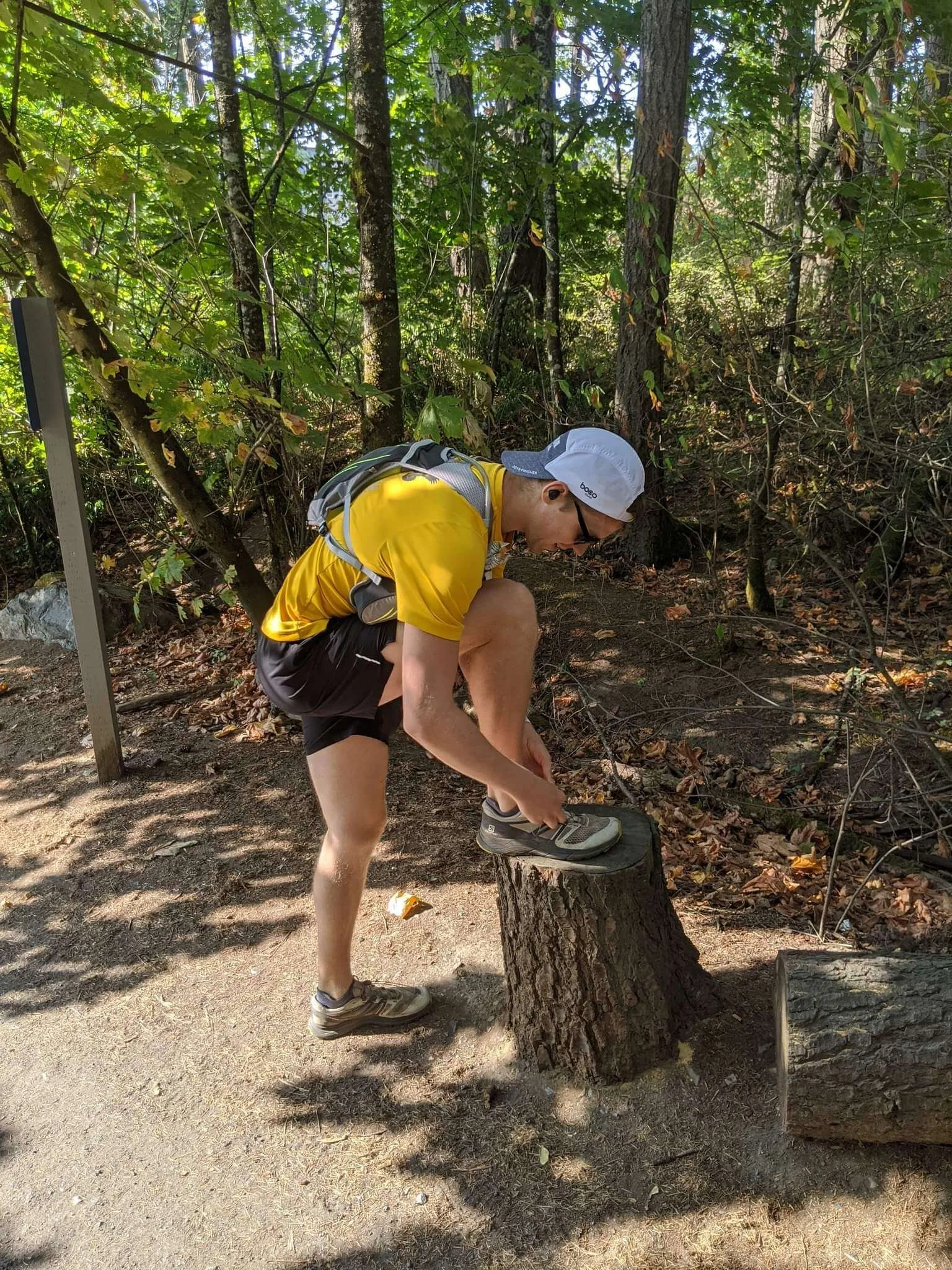
As the days get longer and the weather improves, many people are eager to get outside and enjoy activities like hiking, camping, cycling, paddling, trail running, and exploring the great outdoors.
While enthusiasm is important, your body may not be quite as ready as your spirit after months of reduced activity during the colder seasons.
Every year, physiotherapy clinics see an increase in strains, sprains, overuse injuries, and flare-ups of old aches and pains as people jump back into outdoor activities too quickly.
The good news is that a little preparation can go a long way toward helping you stay active, comfortable, and injury-free throughout the outdoor season!
Outdoor Activities Can Be Demanding
Outdoor adventures place unique demands on your muscles, joints, and cardiovascular system. Hiking uneven trails, carrying camping gear, paddling for hours, or spending long periods walking can challenge your body in ways that everyday activities do not.
Common issues we see include:
Knee pain during hikes or descents
Ankle sprains on uneven terrain
Low back pain from carrying backpacks or camping equipment
Shoulder and neck tension from paddling or lifting gear
Plantar fasciitis and foot pain from increased walking
Muscle strains from sudden increases in activity (raquet sports and running are notable culprits!)
Many of these injuries occur not because people are doing something wrong, but because their bodies haven't had time to adapt to the demands being placed on them.
Start Gradually and Build Consistency
One of the biggest mistakes outdoor enthusiasts make is trying to do too much too soon. If you've been relatively inactive over the winter months, jumping straight into a full-day hike or weekend camping trip can place excessive stress on your body.
Instead:
Begin with shorter walks or hikes
Gradually increase distance, elevation, and intensity
Aim for consistent activity throughout the week
Allow your body time to recover between more challenging outings
Think of outdoor fitness as training for an event. Your body performs best when it has time to adapt progressively.
Focus on Strength Training
Strength is never a weakness, they say. And while there are exceptions, being stronger makes activities easier and makes you much more resilient to injury.
Key areas to strengthen include:
Lower Body
Your glutes, quadriceps, hamstrings, and calves provide the power and stability needed for walking up hills, running, and agility-based sports like tennis or soccer.
Helpful exercises include:
Squats
Lunges
Step-ups
Calf raises
Something that involves moving sideways, like Cossack squats
Upper Body
For campers, paddlers, climbers, and overhead athletes, upper body strength is essential for supporting the neck, upper back, and arms themselves.
Consider:
Rows
Push-ups
Pressing overhead
Pull-ups
Improve Your Balance and Stability
Outdoor terrain is often unpredictable. Rocks, roots, loose gravel, and uneven surfaces can increase the risk of slips and falls. Improving your body's ability to react to changing conditions is a highly protective factor.
Generally, the best balance training is being stronger. But for those of you who have already checked that box, starter exercise options include:
Double or single-leg landings
Lateral hopping
Reactive training drills
Improvements in balance/stability take time, so keep that in mind as you build these skills.
One other tip: we don’t often recommend using unstable surfaces unless that’s specific to the sport you like to participate in.
Don't Neglect Mobility
Mobility refers to your ability to move joints through their full range of motion. Limited mobility can make activities less comfortable or inaccessible.
Pay special attention to:
Hips
Ankles
Thoracic spine (mid-back)
Shoulders
Stretching and mobility exercises can improve movement efficiency and reduce stiffness before and after activities.
Prepare for Carrying Loads
Whether you're carrying a daypack, camping gear, or a canoe, your body benefits from practicing under load before heading out on an adventure.
Try:
Walking with a backpack loaded with a manageable weight
Gradually increasing pack weight over time
Practicing longer walks while carrying gear
Ensuring backpack straps are properly adjusted
This helps your muscles and cardiovascular system adapt to the added demands.
Pay Attention to Footwear
Your feet are your foundation during outdoor activities.
Worn-out footwear, poor fit, or insufficient support can contribute to foot, knee, hip, and back discomfort.
Before the season begins:
Check your hiking boots or shoes for wear
Break in new footwear gradually
Wear moisture-wicking socks to help prevent blisters
If foot pain develops, addressing it early can help prevent compensatory issues elsewhere in the body.
Recovery Is Part of Training
Many people focus on activity but overlook recovery. Adequate recovery allows your body to repair tissues, rebuild strength, and adapt to increasing demands.
Support recovery by:
Staying hydrated
Eating nutritious meals
Getting adequate sleep
Taking rest days when needed
Soreness that lasts several days or worsens over time may indicate that your body needs additional recovery or professional assessment.
Listen to Warning Signs
Aches and pains are often your body's way of signalling that something needs attention.
Seek guidance if you experience:
Persistent pain during or after activity
Swelling
Joint instability
Recurring injuries
Reduced mobility
Pain that limits your ability to participate in activities you enjoy
Addressing issues early can often prevent minor concerns from becoming more significant injuries.
How Physiotherapy Can Help You Get Adventure-Ready
Physiotherapy isn't just for recovering from injuries; it's also an effective way to prepare for them. A physiotherapist can assess your strength, flexibility, balance, mobility, and movement patterns to identify potential areas of weakness before they become problematic on the court, trail, or at the campsite.
Depending on your goals, your treatment plan may include:
Personalized exercise programs
Mobility and flexibility recommendations
Balance and stability training
Injury prevention strategies
Guidance for returning to activity after injury
Advice on equipment, footwear, and load management
Whether you're planning weekend hikes, cycling adventures, or simply spending more time outdoors, preparing your body can help you make the most of the season.
Ready for Your Next Adventure?
The outdoor season offers countless opportunities to explore, stay active, and connect with nature. By building strength, improving mobility, training gradually, and addressing concerns early, you can reduce your risk of injury and enjoy your adventures with greater confidence.
If you're experiencing pain, recovering from an injury, or looking for guidance on preparing for an active outdoor season, our physiotherapy team is here to help. Together, we can create a plan that keeps you moving safely and comfortably all season long.
Book a Physiotherapy Assessment in Victoria
At Recharge Physiotherapy, we specialize in helping people train safely through injuries with personalized, performance-based rehab.
Give us a call at 250-885-8405 or schedule an appointment and and we’ll help you get a plan that keeps you moving forward!
Double-click to edit...