
Best Tips for Preventing Running Injuries and Staying Fit
Running is one of the best ways to improve your physical and mental health, but managing injuries is essential if you want to keep enjoying the benefits. The good news? You can avoid many running injuries with the right habits.
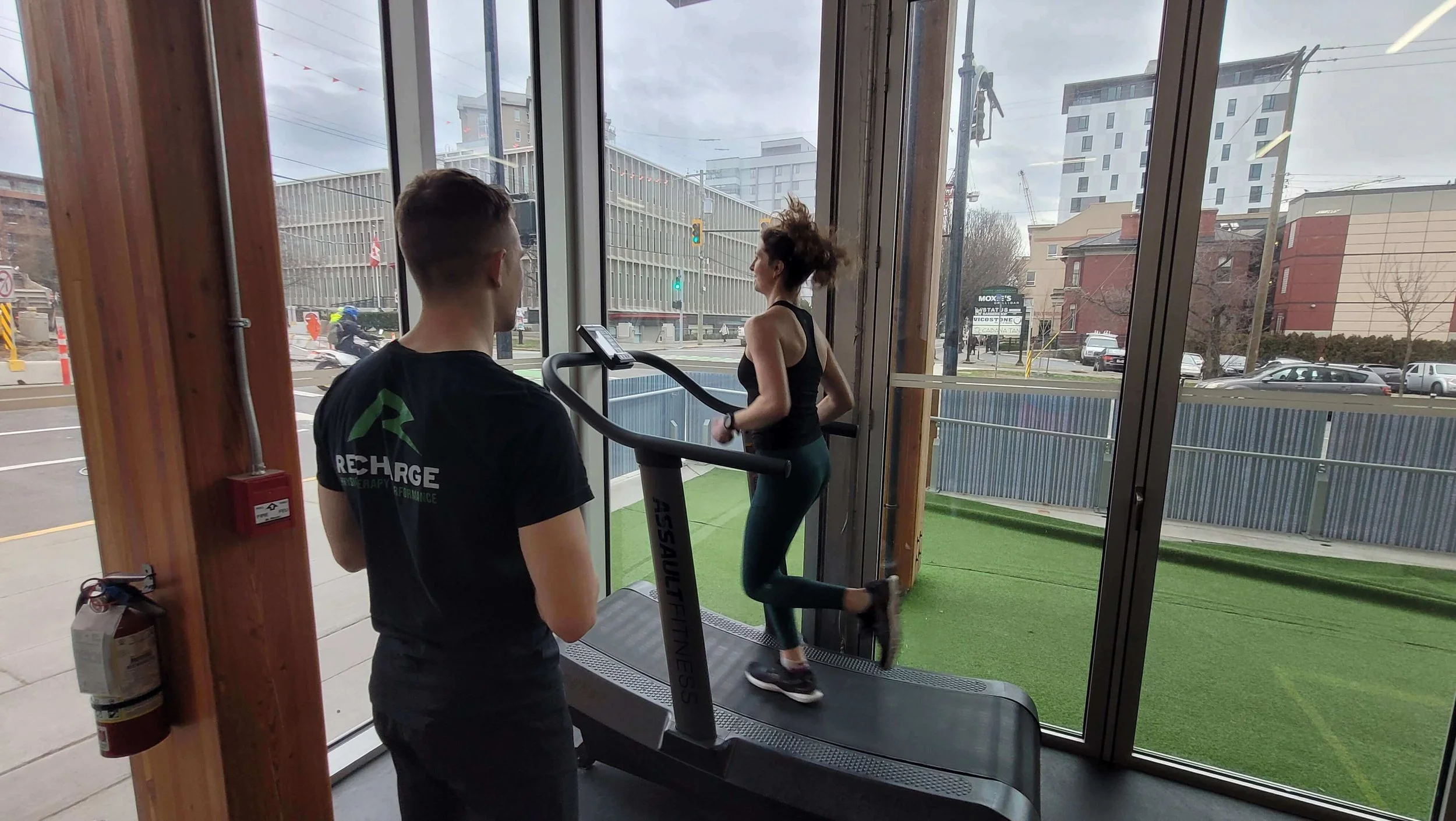
Common Running Injuries
Running places repetitive stress on your muscles, joints, and tendons, which can lead to overuse injuries if your body isn't given enough time to adapt.
Some of the most common running injuries include:
Shin splints
Runner's knee
Many of these injuries develop gradually, so don't ignore persistent aches or changes in your running. Addressing problems early can prevent longer recovery times.
Progress Gradually
THE biggest cause of injury is doing too much, too soon. Training errors, we call them.
Increase your distance and intensity gradually, and track your progress. Recording your distance, pace, and how you feel after each run can help you recognize improvements and know when it's time for extra recovery.
Wear the Right Gear
Your running shoes are your most important piece of equipment. Choose shoes that suit your foot type, running style, and the surfaces you run on. Specialty running stores like FrontRunners can often recommend a good fit.
Comfortable, moisture-wicking clothing and quality running socks can also help reduce irritation and keep you comfortable on longer runs.
Warm Up
Unless you’re currently dealing with an injury, we don’t typically recommend a long, non-running-based warm-up - unless you’re doing speed work on a track or playing sport.
For those who are going on longer or easier runs, starting with a slow jog and building speed into your workout is the most specific and efficient way to get your body into the groove for running.
Incorporating Strength Training into Your Running Routine
Running alone isn't enough to build a resilient body.
There’s good evidence for the benefits of strength training on running performance, and while effects seem to be limited for preventing injuries, there’s a TON of evidence to support the benefits of resistance training for people in general.
Think improvements in bone density, age-related muscle loss, blood sugar and cholesterol management, falls prevention, brain function and more!
Aim for two or three sessions each week focusing on exercises like:
Squats
Lunges
Calf raises
Deadlifts
Glute strengthening
Even bodyweight exercises that are programmed properly can make a noticeable difference.
Mix Up Your Training
Cross-training helps improve fitness while giving your body a break from just doing one activity.
Activities like cycling, swimming, hiking, yoga, or strength training can help manage overuse injuries and improve your endurance, mobility, and overall performance in ways that can be hard to do with running alone.
Listen to Your Body + Rest
Some muscle soreness is normal, but pain is not.
Take notice if you experience:
Pain that doesn't improve with rest
Pain that gets worse day-to-day
Swelling
Limping or changes in your stride
Recovery is part of training. Rest days help your body adapt and come back stronger.
Sleep deserves its own shout-out here.
Running Form
Small adjustments can improve efficiency and reduce unnecessary strain.
Keep these simple cues in mind:
Land with your feet underneath your body.
Smooth, short steps
Form is a complicated topic. What “good” is depends on your body, training intensity, injury history and more. This is an area where it’s good to speak with a professionalif you’re unsure.
Keep Running Strong
Staying injury-free isn't about finding one magic solution—it's about building consistent habits. Wearing the right shoes, strengthening your body, mixing up your training, and allowing time to recover all work together to keep you running at your best.
If pain is keeping you from enjoying your runs, the team at Recharge Physiotherapycan help identify the cause, create a personalized treatment plan, and get you back to running with confidence.
Double-click to edit...