
You have an ergonomic chair. Your monitor is at the “right” height. You try to sit up straight, keep your shoulders back, and avoid slouching.
So why does your neck still hurt by the end of the workday? If you spend most of your day at a desk, you may have been told that your pain is caused by “bad posture.” While how you sit can influence how your body feels, the relationship between posture and pain is more complicated than simply sitting incorrectly.
The good news? Your body probably isn't broken, and you don't need to sit perfectly all day.
There Is No Perfect Posture
One of the biggest misconceptions about desk-related pain is that there is one ideal posture you need to maintain all day.
There isn't.
Your body is designed to move between different positions. Sitting, standing, slouching, stretching and changing positions are all normal.
The problem often isn't one particular position. It's spending hours in the same position without enough movement or variety.
Even a great posture can become uncomfortable if you stay there long enough.
Your Body Likes Variety
Your body adapts to what you ask it to do.
If your work involves sitting at a computer for eight hours, your body becomes very good at sitting at a computer for eight hours. But if you head to the gym, go for a run, play tennis or spend your weekend gardening, you're asking your body to do something very different.
This is why movement variety matters.
Getting up regularly, walking during breaks, changing positions and staying active outside of work can all help your body handle the demands of a desk job.
Why Does Sitting All Day Make My Neck Hurt?
When you're working at a computer, your eyes, neck, shoulders and upper back can stay in relatively similar positions for hours.
Over time, you may notice:
Shoulder tension
Headaches
Upper back discomfort
Aching around the shoulder blades
Lower back stiffness
And this doesn't necessarily mean something is damaged.
Pain can be influenced by many factors, including activity, sleep, stress, workload and how sensitive your nervous system has become to certain movements or positions.
So, Does Your Desk Setup Matter?
Yes, but it's only one piece of the puzzle.
A comfortable chair, appropriate monitor height and well-positioned keyboard can make your workday easier. But instead of trying to find one perfect position and stay there all day, create a workspace that allows you to move and change positions regularly.
Try:
Taking short walking breaks
Changing your sitting position (work chairs are usually very adjustable)
Moving your neck and shoulders regularly
Getting away from your screen during breaks
Staying active outside of work
Sometimes the best thing you can do, on average, is simply move.
What If My Pain Isn't Going Away?
If your neck, shoulder or back pain is persistent, getting worse or interfering with the activities you enjoy, it may be time to have it assessed.
Physiotherapy looks beyond simply asking, “How is your posture?”
Your physiotherapist can assess your movement, strength, mobility, daily activities and workload to help determine what may be contributing to your symptoms and create a plan that fits your goals.
Your Desk Job Isn't Automatically the Problem
You don't need to be afraid of sitting.
You don't need to hold perfect posture all day.
And you don't need to feel guilty every time you catch yourself slouching.
Your body is adaptable. The goal isn't to find one perfect position. It's to build a body that is strong, capable and comfortable moving through lots of different positions.
So the next time your neck starts complaining halfway through your workday, don't just ask:
“Am I sitting wrong?”
Try asking:
“When was the last time I moved?”
Sometimes, that question can tell you a lot more.
Ready to Recharge?
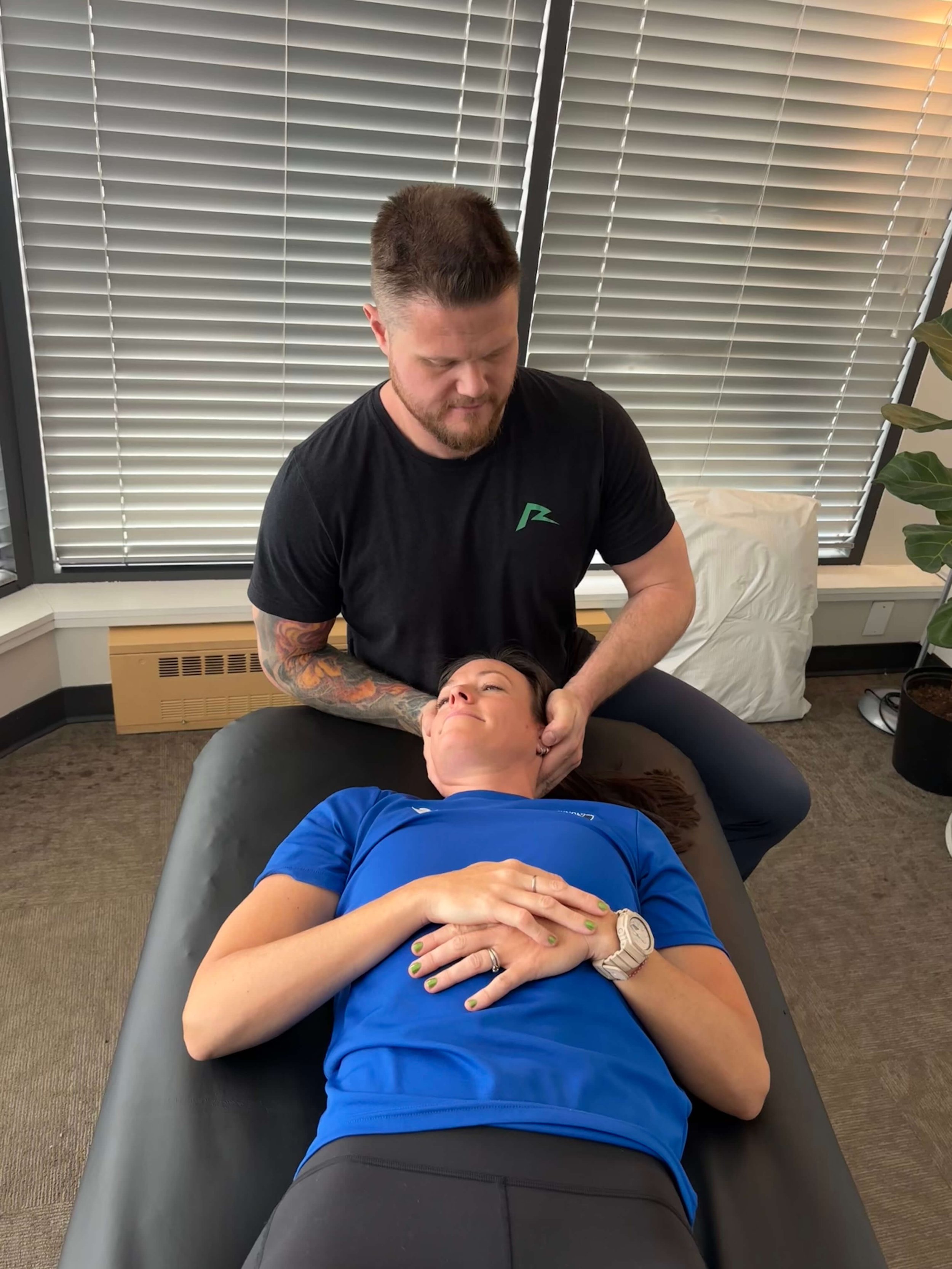
At Recharge Physiotherapy, our clinicians can assess what's contributing to your symptoms and create an individualized plan to help you move more comfortably and get back to doing the things you enjoy.
Book your appointment with Recharge Physiotherapy today.
