
Active Rehab vs Passive Treatment: What’s the Difference and When Do You Need Each?
Injury recovery can often feel confusing. Some treatments involve hands-on care and others focus on guided movement and exercise.
You may have heard terms like passive and active treatment — but what do they actually mean? And more importantly, when is each most appropriate for you?
Both approaches play an important role in recovery. Understanding their strengths can help you choose the right direction for your specific situation and be informed when working with your rehab team.
What Is Passive Treatment?
Passive treatment refers to recovery techniques where the practitioner applies treatment while the patient remains relatively relaxed. The goal is often to reduce pain, improve mobility, and calm irritated tissues.
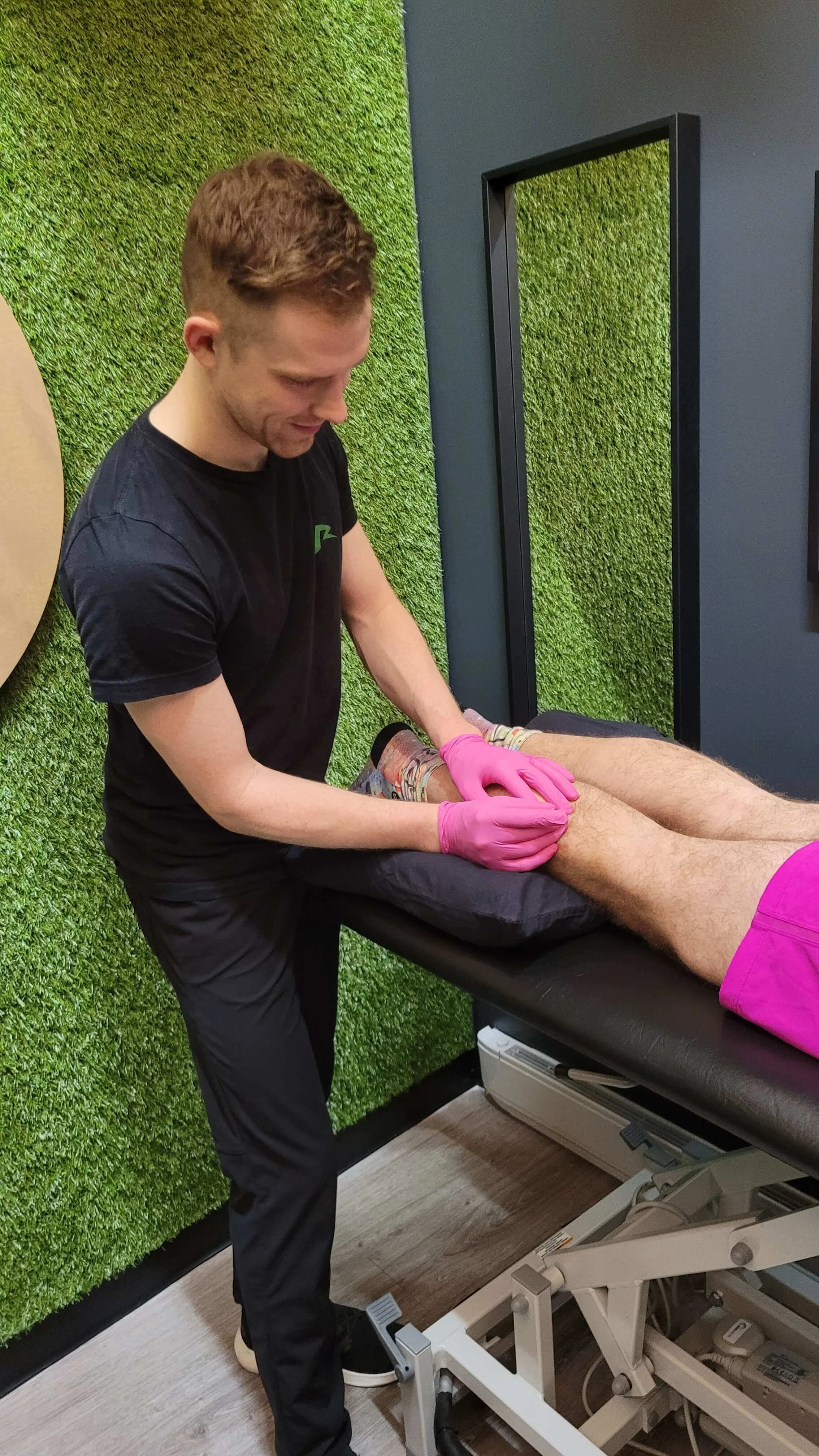
Passive treatments may include:
Massage therapy and variations on soft-tissue work
Joint mobilizations or adjustments
Class IV laser therapy
Assisted stretching
Heat, ice, or electrical modalities
Passive care is commonly provided by chiropractors, physiotherapists, athletic therapists, and massage therapists, depending on the condition and the clinician’s training.
These approaches can be extremely helpful — especially in the early stages of an injury.
When Is Passive Treatment Most Helpful?
Acute Injuries or Flare-Ups
If you recently injured your back, strained a muscle, or woke up with significant neck pain, movement may feel limited or uncomfortable.
In these situations, passive treatment can:
Reduce muscle guarding
Improve short-term mobility
Decrease pain levels
Help you tolerate movement again
This can create a window where rehabilitation becomes possible.
High Irritability or Significant Inflammation
When tissues are highly irritated, your body often responds with protective tension. Gentle hands-on techniques can help calm the nervous system and improve comfort.
For example, after an ankle sprain or acute muscle strain, passive care may support early recovery and reduce protective stiffness.
Short-Term Symptom Relief
There are times when immediate relief is important. You may have:
A competition or tournament
A demanding work week
Travel plans
An important event
Passive care can temporarily reduce symptoms so you can function more comfortably.
While this does not always support long-term recovery, it can be appropriate depending on your goals.
What Is Active Rehabilitation?
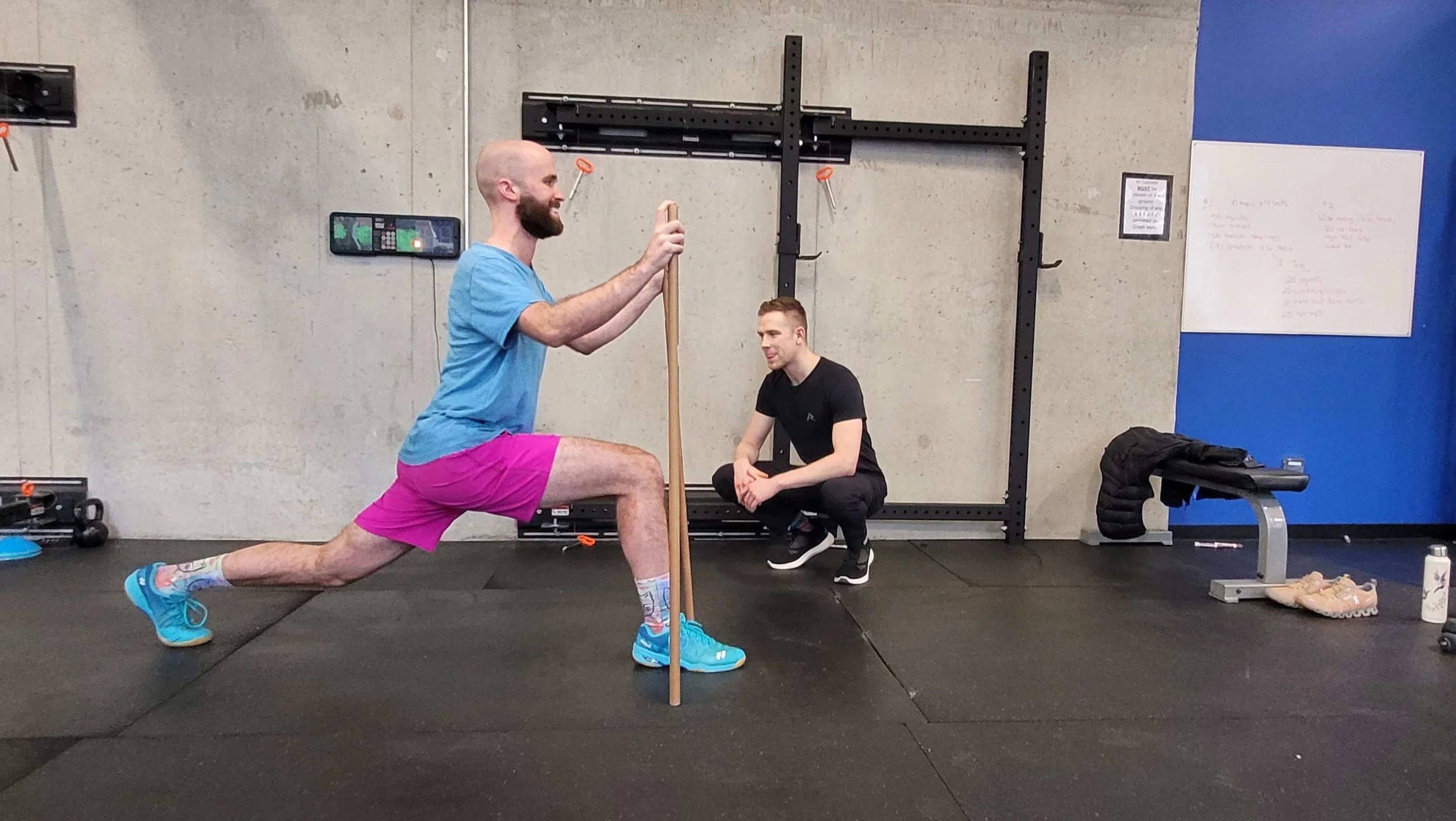
Active rehabilitation focuses on guided movement and exercise. Instead of the practitioner doing the work, you actively participate in rebuilding strength, mobility, and control.
Active rehab may include:
Strength training
Stability and coordination work
Load management strategies
Sport-specific progressions
The goal is not only to reduce pain, but to restore capacity and resilience.
When Is Active Rehabilitation Most Important?
Recurrent or Ongoing Injuries
If your pain keeps returning — whether it’s low back pain, runner’s knee, or shoulder discomfort — there is often a gap between what your body can tolerate and what you’re asking it to do.
Active rehabilitation helps by:
Improving strength in underperforming areas
Enhancing control of movement
Increasing tissue tolerance to load
Reducing the likelihood of recurrence
For persistent or repetitive injuries, exercise-based rehab is often essential.
Returning to Sport or Activity
If your goal is to:
Run more consistently
Return to the gym
Play sports confidently
Work long shifts without pain
Your body needs to be progressively prepared for those demands.
Strength and graded loading help rebuild that capacity.
Long-Term Recovery and Prevention
While passive treatment can improve symptoms, long-term improvement often requires improving how the body moves and tolerates stress.
Active rehab supports:
Improved movement efficiency
Greater physical resilience
Reduced risk of future injury
Is One Better Than the Other?
In most cases, the answer is no.
Passive treatment and active rehabilitation serve different purposes at different stages of recovery.
A common and effective progression may look like this:
Early Phase: Focus on reducing pain and restoring basic mobility with appropriate hands-on care.
Middle Phase: Gradually introduce strengthening, mobility exercises, and load management.
Late Phase: Progress toward higher-level strength, functional training, and return-to-sport or work demands.
When these approaches are integrated thoughtfully, outcomes tend to be stronger and more sustainable.
How a Team-Based Approach Supports Recovery
In a multidisciplinary clinic, different practitioners may contribute in different ways:
Chiropractors may focus on improving joint mobility and spinal function.
Massage therapists may reduce excessive muscle tension and improve tissue sensitivity and pain.
Athletic therapists often guide structured return-to-activity progressions.
Physiotherapists frequently design comprehensive rehabilitation programs that include progressive strengthening and education.
When these services are coordinated around your goals, treatment becomes more strategic rather than isolated.
How Do You Know What You Need?
The right approach depends on:
How recent your injury is
How severe or irritable your symptoms are
Whether the issue is recurring
Your goals for activity and performance
Sometimes passive treatment is the right starting point. Other times, active rehabilitation should begin immediately. Often, the most effective plan includes both.
A proper assessment helps determine the right balance.
Still Not Sure? We’re Here to Help!
Choosing the right direction for your recovery doesn’t have to be complicated. Whether you need hands-on care, structured rehabilitation, or a combination of both, we can guide you toward the approach that best fits your goals.
Give us a call at 250-885-8405 or schedule an appointment and and we’ll help you find the right path forward.
References
Cleveland Clinic. (Feb, 20, 2023). Dry needling. Cleveland Clinic.https://my.clevelandclinic.org/health/treatments/16542-dry-needling
Cleveland Clinic. (May 17, 2023). Acupuncture. Cleveland Clinic.https://my.clevelandclinic.org/health/treatments/4767-acupuncture
Olugbade, T. A., Bianchi-Berthouze, N., Marquardt, N., & Williams, A. C. de C. (2019). The relationship between guarding, pain, and emotion. Pain Reports, 4(4), e770.https://pmc.ncbi.nlm.nih.gov/articles/PMC6728010/
Recharge Physiotherapy. (n.d.). Shockwave therapy. Recharge Physiotherapy.https://www.rechargephysiotherapy.com/shockwave
Double-click to edit...