
4+ Natural Remedies for Knee Pain Relief: Advice from a Physiotherapist
Knee pain is one of the most common reasons people seek physiotherapy treatment. Whether you're training for a race, hiking local trails, staying active with recreational sports, or simply trying to move comfortably through daily life, knee pain can quickly become frustrating and limiting.
The knee absorbs significant force every day. Walking, climbing stairs, squatting, lifting, running, and even standing for extended periods place demands on this complex joint. When pain develops, even simple tasks can become uncomfortable.
Fortunately, many cases of knee pain can be managed effectively with conservative (ie., non-surgical and non-medication-based) treatment and lifestyle modifications. Strategies such as targeted exercise, proper recovery techniques, and supportive footwear can all play a role in reducing discomfort and improving function.
In this article, we'll explore five natural remedies that may help relieve knee pain, improve mobility, and support long-term joint health. We'll also discuss common causes of knee pain and when it may be beneficial to seek professional assessment and treatment.
Understanding Knee Pain: Common Causes and Symptoms
The knee is one of the largest joints in the human body and plays a crucial role in movement. Because it experiences substantial forces during daily activities, it is commonly injured and overused.
Common Causes of Knee Pain
Knee pain can develop for many different reasons.
Acute Injuries
Sudden injuries often occur during sports, exercise, falls, or accidents. These may include:
Meniscus injuries
Kneecap (patellar) dislocations
These injuries frequently cause immediate pain, swelling, bruising, and difficulty bearing weight.
Overuse Injuries
Not all knee pain begins with a specific injury. Repetitive stress or under recovery can gradually irritate tissues around the knee over time.
Common overuse conditions include:
Patellar tendonitis(Jumper's Knee)
Runner's Knee (Patellofemoral Pain Syndrome)
These conditions often develop slowly and become more noticeable during activity.
Others: Osteoarthritis
Osteoarthritis is one of the most common causes of chronic knee pain, particularly in adults over 50. It occurs when structural changes in the knee become symptomatic. Note that not all age-related joint changes become painful, but those changes are typical, including a narrowing of the joint space.
Symptoms may include:
Joint stiffness
Swelling
Aching pain
Reduced mobility
Pain during or after activity
Although osteoarthritis cannot be reversed, physiotherapy can often help reduce pain and improve function significantly.
Common Symptoms of Knee Pain
Depending on the cause, symptoms may include:
Swelling around the joint
Stiffness and reduced mobility
Pain while walking or climbing stairs
Clicking, popping, or grinding sensations
Knee instability
Difficulty squatting or kneeling
Pain during exercise
Because many conditions produce similar symptoms, a professional assessment is often the best way to find a diagnosis and develop an effective treatment plan.
1. Apply Ice and Heat Strategically
One of the simplest ways to manage knee pain at home is through the use of ice and heat therapy.
Although both can help relieve discomfort, they serve different purposes.
When to Use Ice
Ice may be helpful:
Following a recent injury
When swelling is present
After activities that aggravate symptoms
With chronic tendon injuries
For pain management
Apply an ice pack for 10-60 minutes at a time with a towel between the ice and your skin. We typically suggest removing the ice every few minutes to avoid the risk of frostbite.
When to Use Heat
Heat may be beneficial for:
Muscle tightness
Morning stiffness
For pain management
Warm baths, heating pads, or warm compresses can help improve comfort and mobility before activity. 10-30 minutes at a tolerable temperature is recommended.
Can You Alternate Ice and Heat?
In many cases, alternating between ice and heat can provide additional relief.
While these methods do not address the underlying cause of knee pain, they can be valuable tools for symptom management.
2. Physiotherapy, Exercise, and Mobility
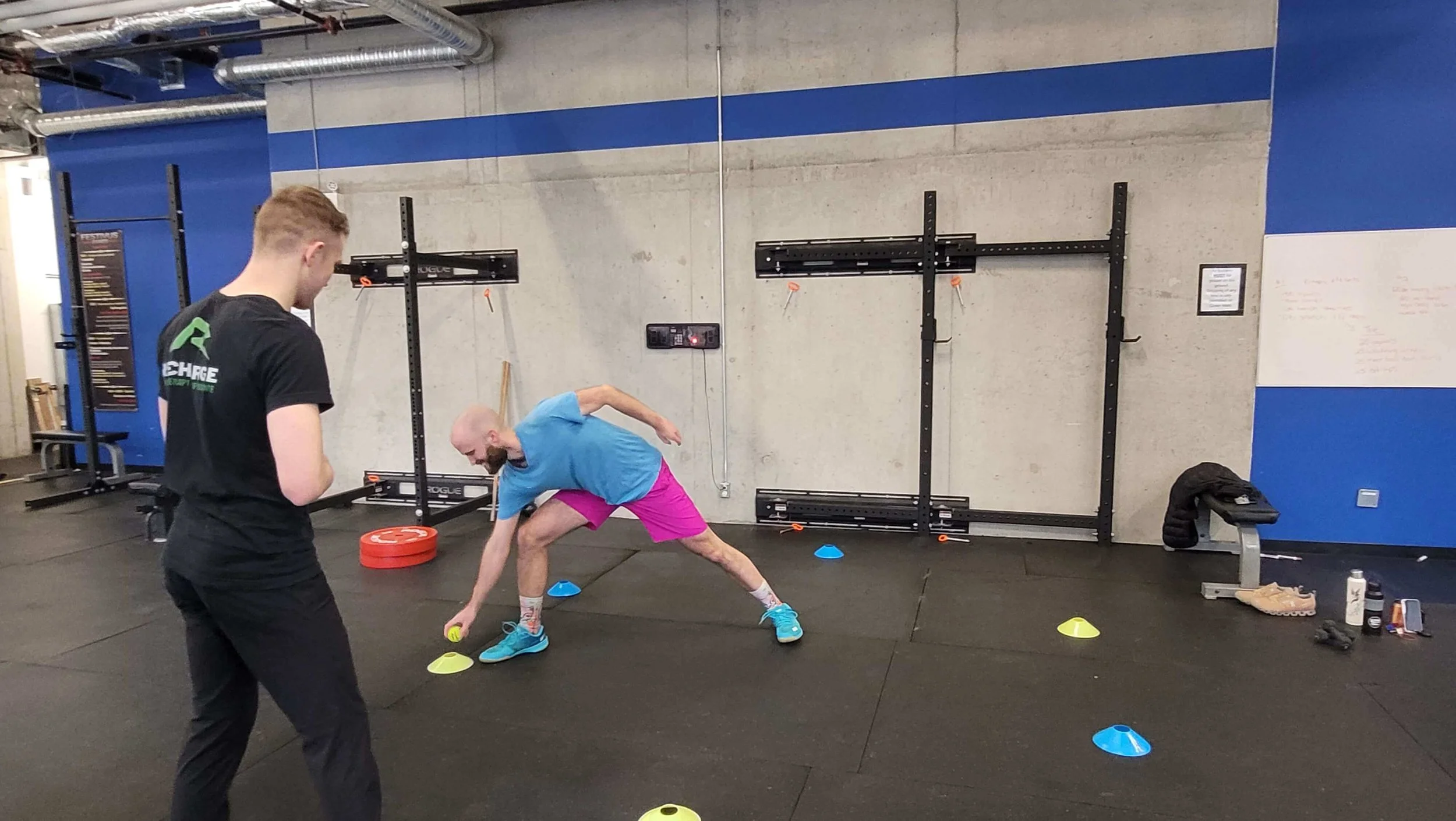
When it comes to long-term knee pain relief, physiotherapy is often one of the most effective solutions.
Many people assume rest is the answer to knee pain. While temporary activity modification may be necessary, complete long-term rest often decreases strength, reduces mobility, and reduces tolerance to loading. Sometimes, getting people stuck in acycle of trying to go back, with symptoms reappearing.
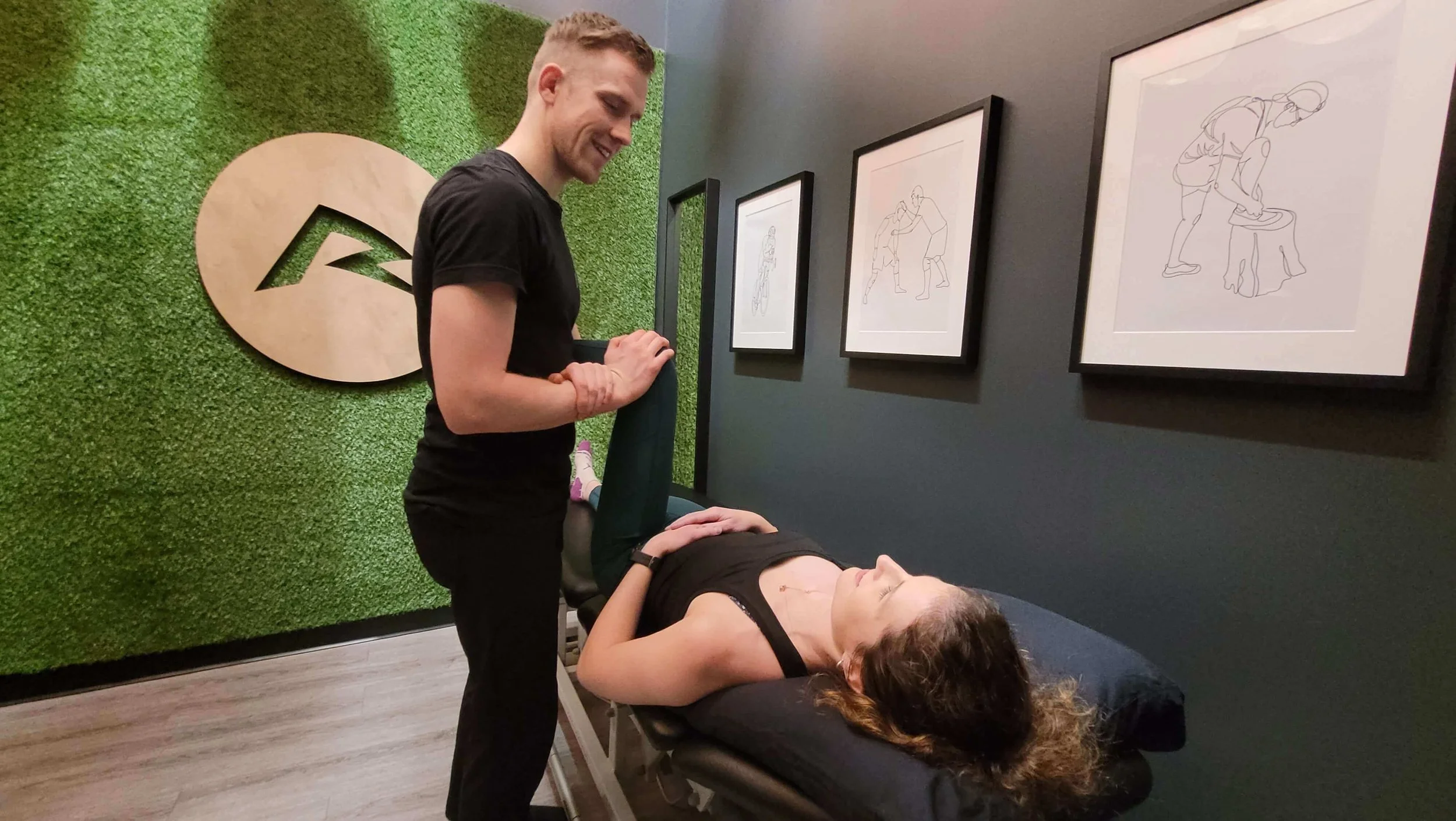
A physiotherapist can diagnose and identify the specific factors contributing to your knee pain and develop an individualized treatment plan.
How Physiotherapy Helps Knee Pain
Treatment may include:
Strengthening exercises
Mobility and stretching programs
Manual therapy
Movement retraining
Activity modification strategies
Rather than simply treating symptoms, physiotherapy focuses on building the body and managing symptoms as things recover.
Strengthening the Muscles Around the Knee
The muscles surrounding the knee play a critical role in the knee's ability to tolerate activity.
Targeted strengthening exercises can:
Reduce joint pain
Improve movement
Enhance athletic performance
Decrease the risk of future injuries
Mobility
Mobility is another strategy for decreasing pain and changing the way people load their knees.
For those who are particularly sensitive, it can be a great strategy for reintroducing loading to the knees in small, tolerable chunks.
Stay Active with Low-Impact Exercise
For many people experiencing knee pain, low-impact exercise can be beneficial, especially in the short-term.
Examples include:
Walking
Cycling
Swimming
Aquatic exercise
These activities help maintain joint mobility, improve circulation, and support overall health without placing excessive stress on the knee.
3. Wear Appropriate Footwear
Your feet and knees work together as part of a larger movement system. When foot mechanics are compromised, additional stress is often transferred to the knees.
Appropriate footwear is not just more supportive but depends on your body’s preferences and the activities you like to do.
The general rules: 1) comfort is king, and 2) if something has been working, don’t feel a need to change it.
For orthotics, we generally don’t recommend them for the average person. Certain injuries benefit from short-term usage, and in most of those cases,over-the-counter orthotics seem to be just as useful as custom ones.
For more specific suggestions, see a qualified physiotherapist.
Replace Worn-Out Shoes
Even high-quality footwear loses its integrity over time.
If your shoes are heavily worn or no longer comfortable, replacing them may help improve comfort during daily activities.
One extra tip: havingan extra pair of shoes, even the same model, and alternating use can be helpful for preventing pain and injury.
4. Dry Needling for Knee Pain
Dry needling is a treatment technique commonly used by physiotherapists to reduce muscle tension, improve movement, and relieve pain.
The treatment involves inserting thin needles into muscles to create a therapeutic response.
How Dry Needling Works
When muscles become sensitive, they can contribute to pain and altered movement patterns.
Dry needling may help:
Improve range of motion
Decrease pain
Support recovery
The treatment is often combined with exercise therapy and other physiotherapy interventions for optimal results.
When Should You See a Physiotherapist for Knee Pain?
While mild knee pain may improve on its own, some situations warrant professional assessment.
Consider seeking physiotherapy treatment if:
Pain persists for several weeks
Symptoms are worsening
Swelling continues to return
The knee feels unstable
Walking becomes difficult
Pain is limiting exercise or daily activities
You have experienced a recent injury
Early intervention often helps prevent minor issues from developing into long-term problems.
Knee Pain Treatment in Victoria, BC
If knee pain is preventing you from enjoying your favourite activities, booking an assessment with a physiotherapist can help you find the underlying cause and develop a personalized treatment plan. Contact us or book online and take the first step toward moving with greater comfort, confidence, and strength.
Book a Physiotherapy Assessment in Victoria
At Recharge Physiotherapy, we specialize in helping people train safely through injuries with personalized, performance-based rehab.
Give us a call at 250-885-8405 or schedule an appointment and and we’ll help you get a plan that keeps you moving forward!
Double-click to edit...