
Why Dancers Need Physiotherapy: Injury Prevention, Strength & Performance
Professional dancing is an incredible combination of strength, flexibility, coordination, balance, endurance, and precision. But behind every effortless performance is a body working incredibly hard.
Whether you're a ballet dancer, contemporary dancer, jazz dancer, musical theatre performer, or competitive dancer, the physical demands of dancing can add up over time. Repetitive movements, long rehearsals, frequent performances, and limited recovery time can all place significant stress on your body.
That’s where physiotherapy can play an important role.
Physiotherapy isn't just for dancers who are injured. It can also help dancers;
Prevent injuries
Improve performance
Understand their bodies
Continue doing what they love for longer
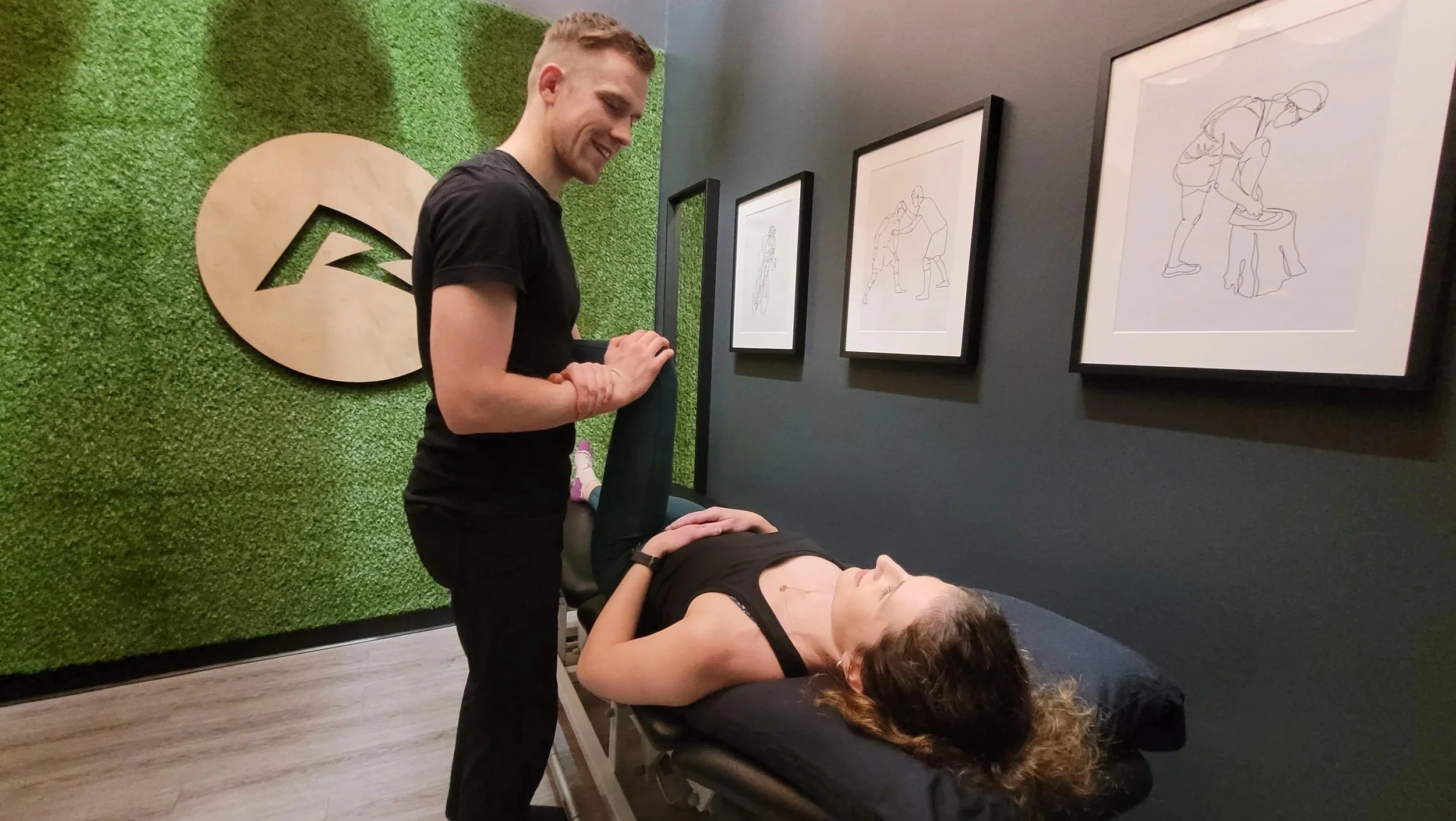
The Physical Demands of Professional Dance
You may spend hours repeating the same movement, landing from jumps, working through extreme ranges of motion, holding challenging positions, or performing choreography that requires explosive strength and control. Even when a movement feels natural to a dancer, performing it hundreds or thousands of times can create significant physical demands.
Common physical demands include:
Repetitive jumping and landing
Frequent single-leg movements
Extreme hip, ankle, and spinal ranges of motion
High levels of flexibility
Repeated turns and changes of direction
Long rehearsals with limited recovery
Performing through fatigue
Maintaining strength and control while moving at speed
Common Injuries in Dancers
Because dancing involves so much repetition and physical control, dancers can be susceptible to both acute injuries and overuse injuries.
Some common problems include:
Foot and Ankle Pain
The feet and ankles absorb a significant amount of force during jumps, landings, pointe work, and repeated movements. Dancers may experience issues such as ankle sprains, Achilles tendon pain, stress injuries, or pain around the foot and ankle.
Knee Pain
Repetitive jumping, landing, squatting, and single-leg movements can place considerable demands on the knees. Patellar tendon pain, patellofemoral pain, and other forms of knee pain can interfere with both rehearsals and performances.
Hip Pain
Dancers often require a large amount of hip mobility, particularly in positions involving turnout, extension, and abduction. When mobility, strength, and control aren't well balanced, dancers may experience hip or groin pain.
Lower Back Pain
The combination of repeated spinal movements, extreme ranges of motion, and high training volumes can contribute to lower back pain. For dancers, the goal isn't necessarily to eliminate movement from the spine. Instead, physiotherapy can help improve the body's ability to control and tolerate those movements.
Physiotherapy Isn't Just About Treating Injuries
One of the biggest misconceptions about physiotherapy is that you need to be injured before seeing a physiotherapist.
For professional dancers, physiotherapy can be much more proactive.
A physiotherapist can assess how you move, identify areas that may need more strength or control, and help you manage the physical demands of your training before a small issue becomes a major problem.
Just like professional athletes work with strength coaches, athletic therapists, massage therapists, and other healthcare professionals to support their performance, dancers can benefit from having physiotherapy as part of their regular training routine.
How Physiotherapy Can Help Dancers
1. Improve Strength
Flexibility gets a lot of attention in dance, but strength is just as important. Dancers need enough strength to control their bodies through large ranges of motion, absorb forces when landing, and produce power when jumping. A physiotherapist can help identify areas where additional strength could improve your movement and performance.
2. Improve Mobility and Control
Being flexible isn't necessarily the same as being able to control a movement. Physiotherapy can help dancers develop strength and control throughout their available range of motion. The goal isn't simply to become more flexible. It's to help you use the mobility you already have effectively.
3. Manage Training Load
Sometimes the problem isn't one specific movement. It's doing too much, too often, without enough recovery. A physiotherapist can help dancers understand how their training volume, rehearsal schedule, performances, and recovery are interacting. This can be particularly important during busy periods when rehearsals and performances increase.
4. Reduce Injury Risk
No injury prevention strategy can guarantee that you'll never get hurt. However, understanding your individual strengths, weaknesses, movement patterns, and training demands can help you make informed decisions about how you train. Physiotherapy can help address potential problem areas before they become bigger issues.
5. Recover From Injury
If an injury does occur, physiotherapy can help guide your recovery. Rather than simply waiting for pain to disappear, rehabilitation can progressively rebuild strength, mobility, coordination, and confidence. For professional dancers, returning to everyday activities isn't necessarily the end goal. The goal is getting you ready to dance again. That may mean progressing from basic strengthening to jumping, landing, turning, choreography, and eventually the demands of a full performance.
When Should a Dancer See a Physiotherapist?
You don't have to wait until you're injured.
Consider seeing a physiotherapist if you:
Have pain that keeps coming back
Notice your performance is changing because of pain or weakness
Are struggling with a particular movement
Have recently increased your training volume
Are returning after an injury
Feel weaker on one side
Have difficulty controlling certain positions or movements
Are preparing for an intensive performance or competition season
Want to improve your strength, mobility, or movement quality
Even if nothing hurts, an assessment can provide useful information about how your body is handling the demands of dance.
Keep Dancing for the Long Run
Professional dance is physically demanding. Your body is your equipment, and taking care of it isn't a sign that you're fragile — it's part of performing at your best. Physiotherapy can help dancers build strength, improve movement control, manage training loads, recover from injuries, and better understand what their bodies need.
If you're a dancer in Victoria dealing with an injury, recurring pain, or simply looking to better prepare your body for the demands of dance, the team at Recharge Physiotherapy can help you build a plan around your goals and your training.
